
Did a Dictator’s Bad Dance Moves Help Seal His Fate? Inside Trump’s Bizarre Take on the Maduro Raid
Question
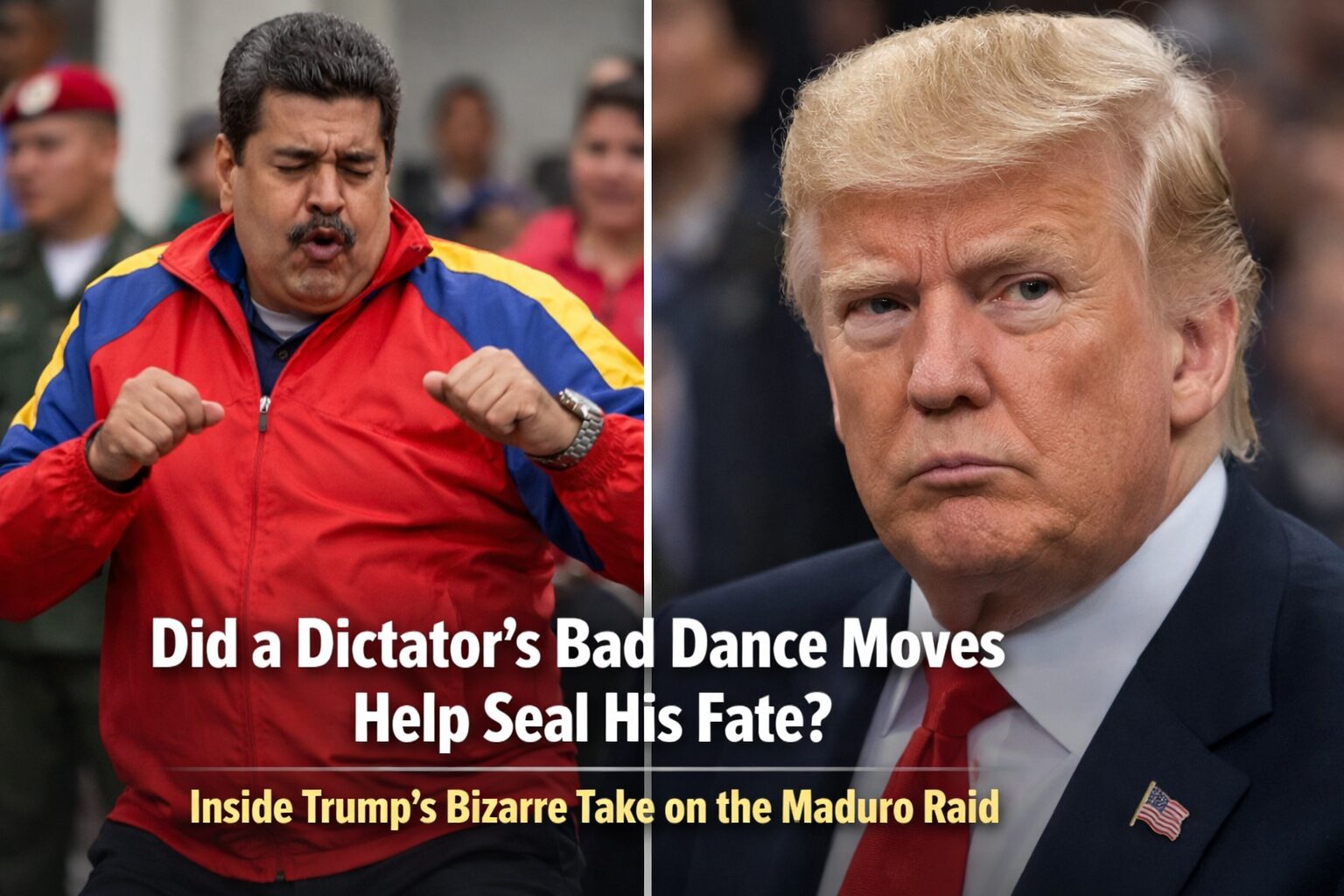
What happens when international regime change, military heroics, and viral dance moves collide in a single political speech? The unlikely answer unfolded this week as former President Donald Trump recounted the capture of Venezuelan dictator Nicolás Maduro with a critique that left listeners questioning the very nature of modern political theater.
In his telling, was Maduro’s downfall not just about sanctions and Special Forces, but also a failed attempt to copy a certain presidential swagger? Trump painted a picture of the ousted strongman in his final days, desperately trying to mimic the energetic, celebratory gestures that became a hallmark of Trump’s rallies.
“He’d get up there and try to imitate my dance a little bit,” Trump revealed to an amused audience, drawing a stark line between performance and reality. “But here’s the difference: he’s a violent guy. A killer. He had a torture chamber in Caracas. You can copy the move, but you can’t copy the cause.”
But this raises another, more personal question: what does it mean when the First Lady of the United States is your biggest dance critic? In a surprising domestic aside, Trump exposed a marital debate over the presidential nature of his groove. According to him, Melania Trump would plead, “It’s not presidential. Could you imagine FDR dancing?”
So, who was right—the crowds roaring for an encore or the First Lady insisting it was mere politeness? Trump insisted the people’s demand was authentic, turning a personal quirk into a litmus test for his connection with his base. This moment begs us to consider: in today’s politics, is a relatable gesture more powerful than a stately pose?
And how do we square this almost comedic prelude with the deadly serious operation that followed? Trump swiftly shifted from dance-floor dissing to detailing the “most incredible” military raid, a complex web of 152 aircraft and boots on the ground that ended with Maduro in custody and, notably, zero American casualties. He acknowledged the bloodshed on the other side—”mostly Cubans”—but framed the mission as a flawless execution.
So, what are we left with? A story where the path from a torture chamber in Caracas to a courtroom in Manhattan winds through a bizarre critique of body language and a First Lady’s disapproval. It forces us to ask: in the modern era, is a leader’s narrative woven equally from geopolitical victories and their own viral, debated persona? The capture of a dictator is clear. The meaning of the dance that preceded it? That’s for the crowd—and perhaps the history books—to decide.


Leave an answer