
Are We Sleepwalking Into a Digital Health Catastrophe for Our Kids?
Question
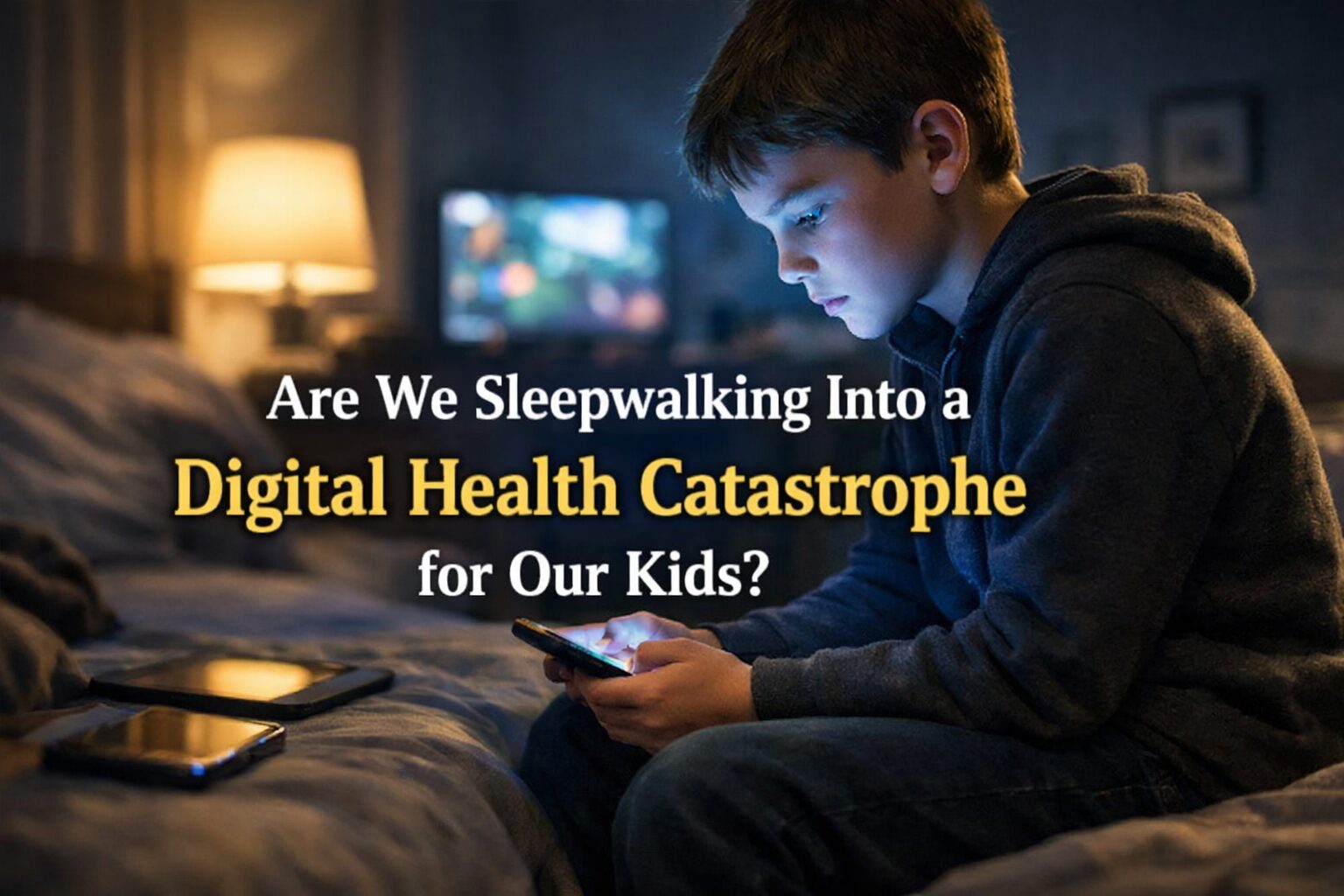
What if the smartphone in your child’s hand is a Trojan horse—quietly dismantling an entire generation’s health while we watch, scroll, and do nothing?
This isn’t a dystopian thought experiment anymore. It’s the urgent question tearing through Britain’s medical establishment right now, as doctors from every corner of the NHS deliver a diagnosis we can’t afford to ignore: our kids aren’t just addicted to their devices—their bodies and minds are breaking under the weight of them.
Dr. Jeanette Dickson, chair of the Academy of Medical Royal Colleges, which speaks for 23 medical royal colleges and faculties, has dropped a bombshell. Frontline clinicians are reporting what she calls “horrific cases” in emergency rooms, GP offices, and mental health clinics nationwide. These aren’t isolated incidents. They’re patterns—repeating across “most medical specialities”—and they point to one culprit: unfettered technology exposure.
The evidence isn’t coming. It’s here. The Academy already holds damning proof of how excessive screen time and toxic online content are shredding children’s physical and mental health. Government studies now connect screen exposure to delayed speech in toddlers—a canary-in-the-coal-mine warning that we’re normalizing harm before kids can even form sentences.
So what’s the plan? The UK government is reportedly prepping a radical consultation this week, floating everything from a total social media ban for under-16s to algorithm crackdowns and digital curfews. Australia’s already pulled the trigger—blocking under-16s from social media entirely in December. France, Denmark, Norway, and Malaysia are eyeing similar moves.
But here’s where the narrative fractures—and where the question gets more complicated.
A coalition of 43 child protection powerhouses, including the NSPCC and the Molly Rose Foundation, is screaming that a ban is the wrong medicine. In a blistering joint statement, they call it a “blunt response” that lets tech giants off the hook while risking “serious unintended consequences.” Their argument? You’ll just drive teenagers into darker, unregulated digital alleys.
Andy Burrows, head of the Molly Rose Foundation, puts it bluntly: parents are being fed a “false binary.” Either accept a full ban or keep the “appalling status quo” where algorithms profit from children’s pain. “Those simply aren’t the only options available to us,” he insists. Instead, he’s demanding what many see as the real solution: enforcement of the Online Safety Act with criminal sanctions and crushing fines that finally force tech CEOs to change their “reckless algorithms” and “harmful design choices.”
Burrows is calling out Prime Minister Keir Starmer directly: “Do the right thing.”
The NSPCC’s Chris Sherwood adds emotional weight, reminding us that for vulnerable kids—LGBTQ+ youth, those with disabilities, isolated teens—the internet is more than cat videos. It’s “a lifeline.” It’s community. It’s identity. It’s survival. “A blanket ban would take those spaces away overnight,” he warns.
Now the Academy of Medical Royal Colleges is launching a three-month deep dive to arm doctors with clinical guidance on identifying tech-related harm. They’ve fired off letters to Health Secretary Wes Streeting, Science and Technology Secretary Liz Kendall, and even the UK’s chief medical adviser Sir Chris Whitty.
The question isn’t whether tech is harming kids. The question is: What are we willing to sacrifice to stop it?
Will we choose prohibition, betting we can protect children by cutting them off? Or will we finally chain tech companies to their moral responsibilities—forcing them to redesign the digital casinos they’ve built for young minds?
Doctors have sounded the alarm. The evidence is no longer debatable. The only question left—the one that will define this generation—is whether we have the collective will to act before the digital experiment on our children becomes an irreversible public health disaster.
The screens aren’t going anywhere. But our children’s health is already slipping through our fingers.


Leave an answer