
When a School Ignores Racist Bullying, What Does It Teach Its Students?
Question
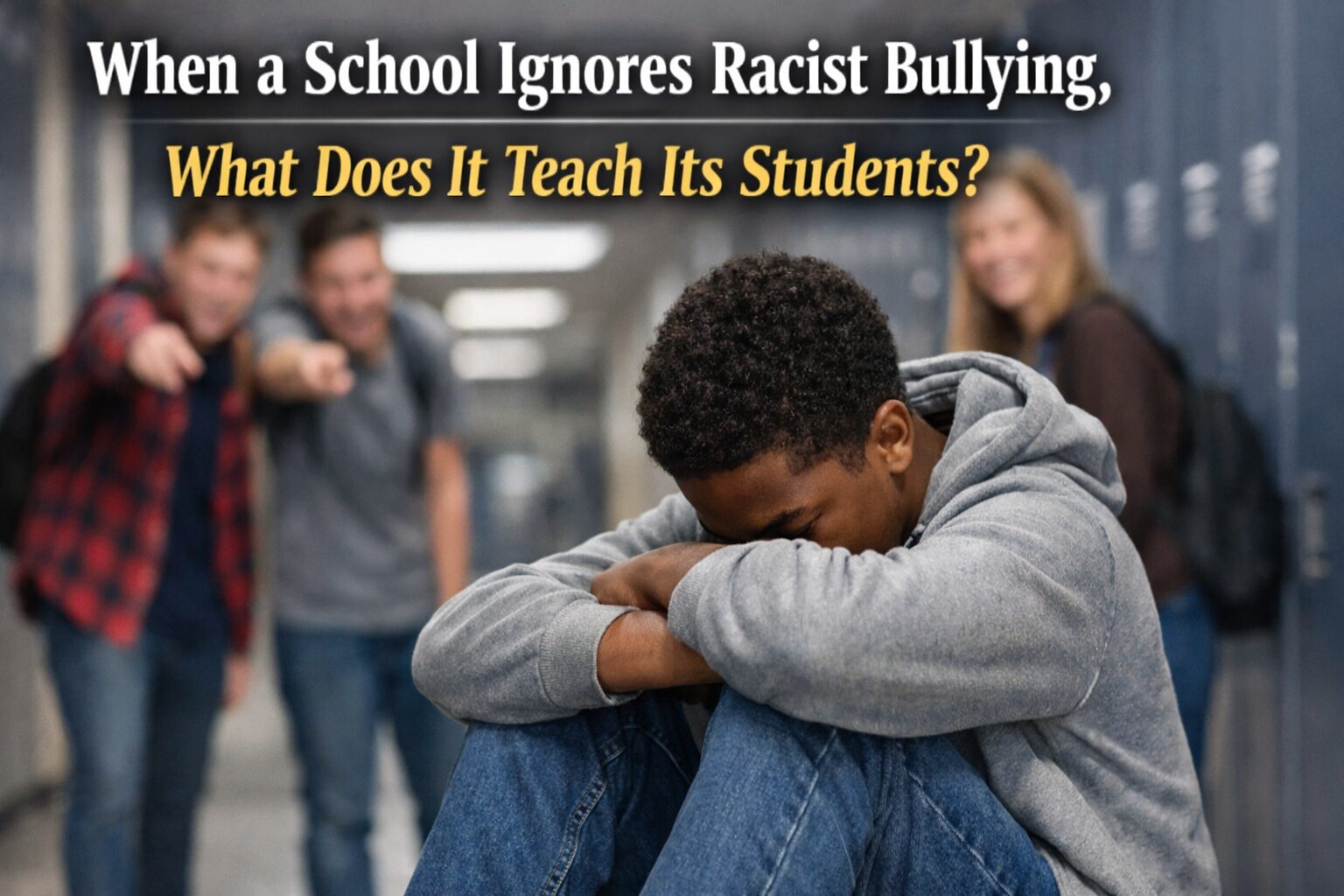
What is the real lesson learned when a teenager reports racial harassment for four consecutive years, and the only consistent response from his school is silence and inaction? This is the core question at the heart of a searing lawsuit filed against Missouri’s Republic School District by 19-year-old Tyreke Williams and his mother, Alisha Hornbuckle. Their legal complaint contends that the district taught a masterclass in institutional failure, allowing a culture of racist bullying to flourish and then punishing the family who dared to demand change.
How does a student navigate an environment where, according to the lawsuit, his very identity is weaponized daily? For Tyreke at Republic High School, this allegedly meant being called “Tyrone” instead of his name, enduring the n-word and being compared to “slaves” by white peers, and seeing memes mocking his nose circulated in class. On the sports field, a coach allegedly ridiculed his body with names like “chicken legs” and sidelined him while white teammates played. When does a pattern of such incidents cease to be “bullying” and become a sanctioned, hostile educational environment?
Where does a parent turn when they’ve exhausted every proper channel? Hornbuckle’s journey from concerned advocate to banned “trespasser” forms the lawsuit’s damning arc. She documented each incident, requested accommodations for her son’s disability plan, and pleaded for intervention as his mental health declined. The district’s alleged responses—vague promises, a shoddy external investigation that never interviewed Tyreke, and finally, a refusal to communicate—paint a picture of a system designed to wear down complainants, not address complaints. When a school stops taking a parent’s calls, what message does that send about its accountability?
At what point does “managing a complaint” become illegal retaliation? The lawsuit claims the district’s ultimate answer was to ban Hornbuckle from all school property during her son’s final semester, isolating Tyreke from his primary advocate. Then, in a stark culmination, he was allegedly sucker-punched by a longtime harasser just days later. When the school reportedly hung up on Hornbuckle as she asked for her son’s safety plan, what recourse was left but a courtroom?
The school district denies all allegations, stating it has zero tolerance for threats to safety. But the lawsuit begs a larger, societal question: If the evidence presented is true, what does this case reveal about the hidden curriculum in some schools—the unspoken lessons about who is protected, who is heard, and what prejudices the system might quietly endure?
The legal outcome will hinge on evidence and procedure. But the court of public opinion is already wrestling with a more profound verdict: In failing one Black student for four years, what did this school ultimately teach everyone?


Leave an answer