
“How Did Fulton County Secure a Conviction Against a Serial Rapist Targeting Vulnerable Women?”
Question
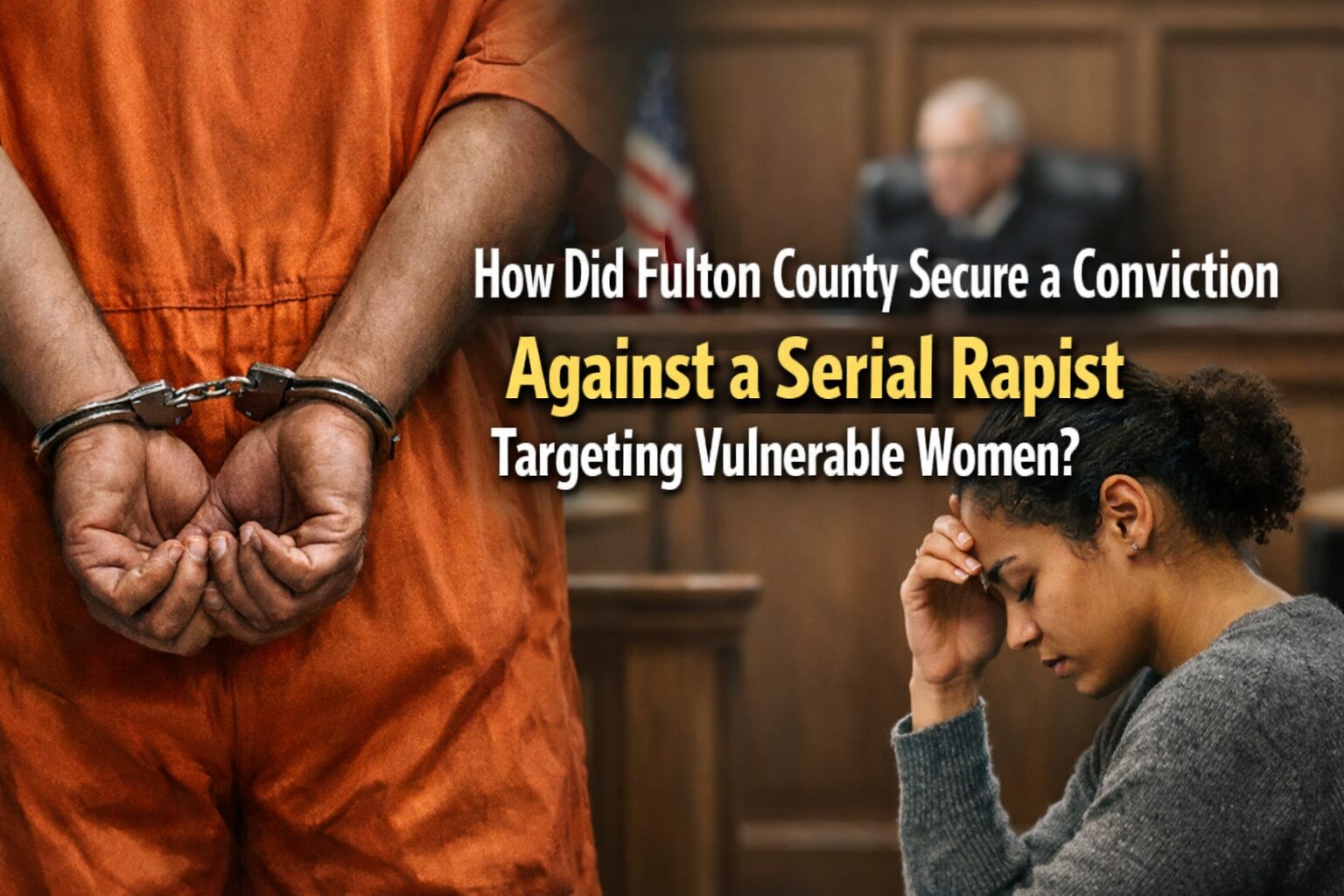
In a landmark case that has captured the attention of the nation, Fulton County District Attorney Fani Willis announced on Tuesday the conviction of a serial rapist who preyed on some of society’s most marginalized individuals. Christopher Harley, the accused, was found guilty of brutally assaulting four women, several of whom were battling mental health issues and homelessness. This development raises an important question: How did law enforcement and the judicial system work together to ensure justice for these victims?
District Attorney Willis praised the tenacity of Detectives Khobei Cooper and Ronald Stoddard, along with her dedicated staff, for their unwav commitment to the case. “They didn’t dismiss victims that others might have considered insignificant,” Willis explained. “Their relentless pursuit of justice ensured that this predator was held accountable for his actions.” This approach highlights a critical aspect of the investigation: the refusal to overlook victims based on their circumstances.
The conviction is a testament to the effectiveness of the Special Victims Division, which has maintained an impressive 100% conviction rate. This achievement begs the question: What strategies and practices contribute to such a high success rate in securing convictions for serious crimes? Willis attributed the division’s flawless record to meticulous investigation techniques and a steadfast dedication to seeking truth and justice.
The announcement comes at a pivotal moment, as District Attorney Willis prepares to testify before a Senate investigative committee. The hearing will focus on her office’s prosecution of former President Donald Trump and others implicated in alleged election interference. Despite the high-profile nature of her upcoming testimony, Willis emphasized the importance of focusing on the case at hand and delivering justice to all victims, regardless of their background.
Atlanta Police Chief Darin Schierbaum lauded the collaborative efforts of the detectives and the District Attorney’s Office, underscoring the broader implications of their work. “Our officers and investigators are dedicated to ensuring that every resident of our city receives the protection and dignity they deserve under the law,” Schierbaum stated. “This conviction sends a clear message that justice will prevail, no matter the circumstances.”
The case has sparked widespread discussion about the vulnerabilities faced by homeless individuals and those struggling with mental health issues. Advocates argue that these populations are often overlooked and underserved, making them easy targets for predators. The conviction of Christopher Harley raises an essential question: What measures can be implemented to better protect vulnerable communities from such heinous crimes?
As the news of the conviction spreads, social media has been flooded with reactions, with hashtags such as #JusticeForAll, #EndViolenceAgainstWomen, and #SupportTheVulnerable trending. Many have praised the dedication of law enforcement and the judicial system in bringing Harley to justice, while others have used the platform to raise awareness about the broader issues of homelessness and mental health. This public engagement prompts another question: How can social media be leveraged to drive meaningful change and support for vulnerable populations?
The case also highlights the importance of believing and supporting victims of sexual assault, particularly those who may face additional barriers to seeking help. District Attorney Willis’s office has reiterated its commitment to providing resources and assistance to all victims, ensuring they have access to the support they need. This raises the question: What resources and support systems are currently in place for victims of sexual assault, and how can they be improved?
In the wake of the conviction, community leaders and advocates are calling for increased funding for programs aimed at preventing violence and supporting vulnerable populations. They argue that proactive measures, such as affordable housing initiatives and mental health services, are essential in addressing the root causes of such crimes. This leads to the question: What specific policies and initiatives can be implemented to prevent violence against vulnerable communities and provide them with the necessary support?
As Fulton County reflects on this significant legal victory, the focus remains on ensuring that justice is served for all victims of crime. The conviction of Christopher Harley serves as a beacon of hope, demonstrating that with perseverance and dedication, even the most challenging cases can result in justice. The questions raised by this case invite a broader conversation about how society can better protect and support its most vulnerable members, ensuring that no one is left behind.


Leave an answer