
Countdown to a Crisis: Trump Sets a 10-Day Decision Window on Iran
Question
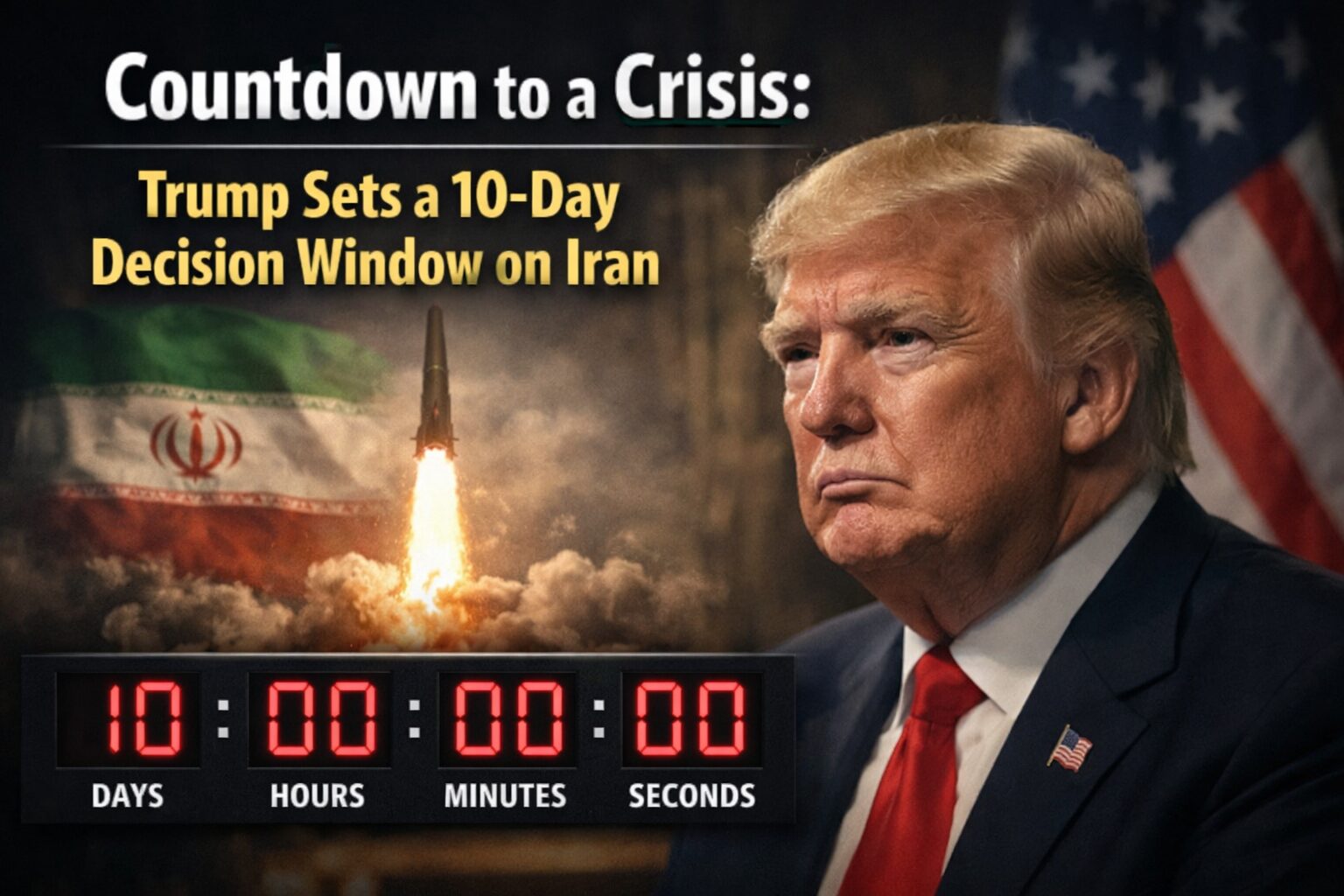
A deadline, a military buildup, and markets that flinch first—why the next week and a half could redraw the Middle East playbook.
Deadlines in geopolitics are rarely about calendars. They’re about leverage. This week, President Donald Trump put a number on the pressure: he said the United States would decide within the next 10 days whether to strike Iran or pursue a diplomatic track. On paper, it sounds tidy—ten days to choose between war and negotiation. In practice, it’s a signal to allies, adversaries, and domestic audiences that the U.S. is prepared to move quickly.
The backdrop is a widening U.S. military posture in the region. Reports describe a sizeable buildup of air and naval assets, including carriers and support aircraft. That doesn’t automatically mean an attack is imminent—military positioning can be deterrence as much as preparation. But it does change the tone of negotiations. A negotiating table feels different when the other side is already setting pieces on the board.
Markets responded like they often do: they priced the fear before the facts. Oil moved higher on renewed concern about supply disruptions, a reflex tied to the vulnerability of energy flows through the Strait of Hormuz. Gold nudged up, and broader risk assets showed jitters as investors weighed how a sudden spike in energy prices could ripple into inflation and interest-rate expectations.
Iran, for its part, has been signaling it won’t absorb a blow quietly. Public statements and reported military activity underscore a familiar message: any U.S. attack would be met with retaliation. That mutual posture—Washington signaling readiness and Tehran signaling consequence—creates a narrow path for diplomacy.
Here’s what makes the next stretch unusually combustible: both sides have incentives to appear unyielding. Trump’s public deadline hardens expectations; if nothing changes by the end of the window, it invites questions about credibility. Iran’s leadership, meanwhile, must balance deterrence with the risk of miscalculation. In that kind of environment, small events—an incident at sea, a strike by a proxy group, an intelligence leak—can become accelerants.
If a deal emerges, it will likely arrive with dramatic staging: a last-minute breakthrough, a carefully worded statement, a claim of victory from both camps. If it doesn’t, the 10-day clock becomes a narrative engine for escalation. Either way, the world is watching the same thing: whether the deadline is a bridge to a bargain or a runway to conflict.


Leave an answer