
Could This Be the Storm That Finally Breaks America’s Infrastructure?
Question
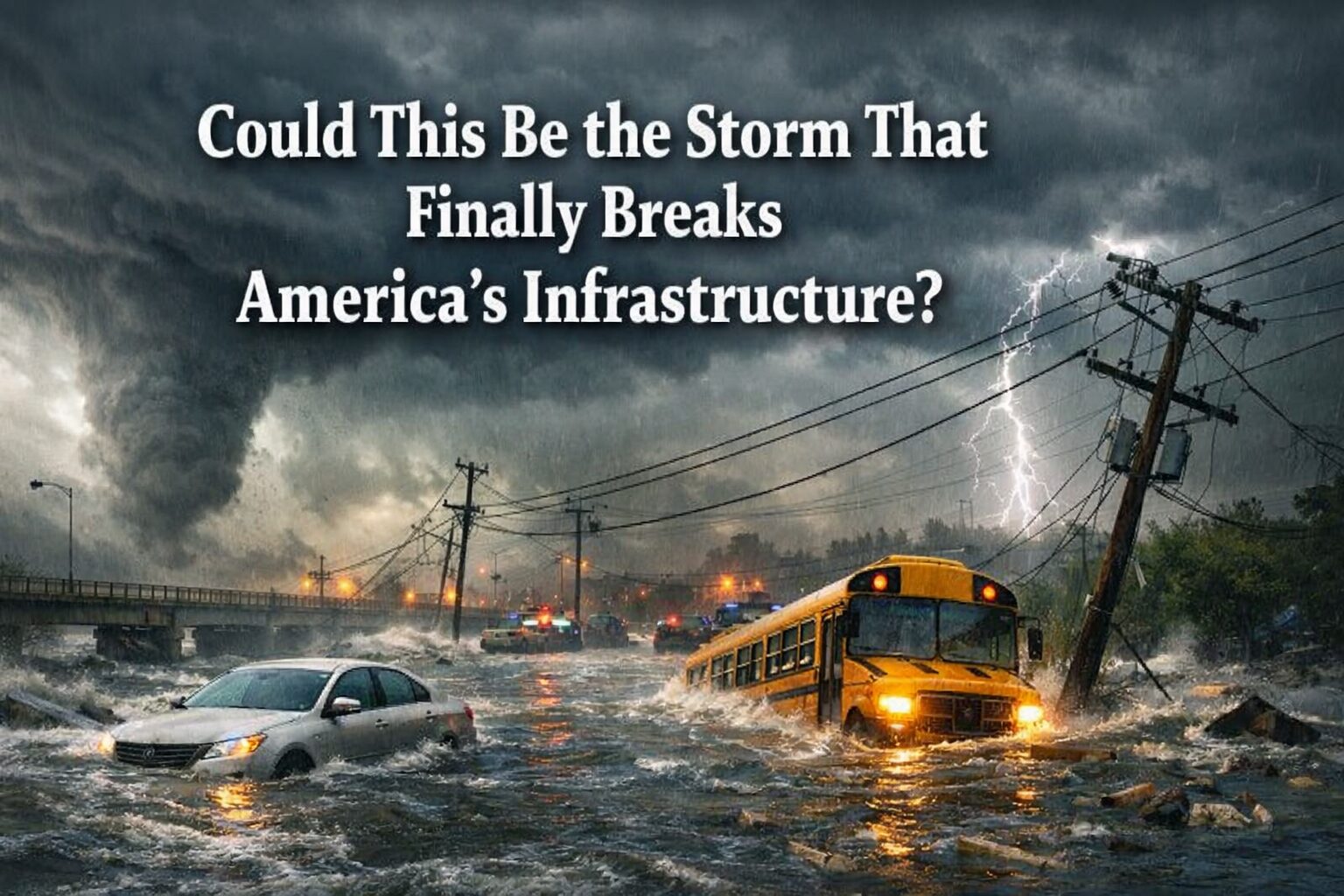
What if I told you that right now, a meteorological monster is swallowing half the United States whole? How would you respond if twelve governors have already surrendered, declaring states of emergency before the first real snowflake even fell? And what does it mean when 230 million Americans—two out of every three people in this country—are simultaneously thrust into the crosshairs of a single weather event?
What Exactly Is Heading Our Way?
Picture this: a storm system so vast it begins devouring the Rockies and Great Plains on Friday morning, but instead of passing through, what if it decides to stay? How rare is it for a single weather pattern to systematically torture the South, then explode up the entire Eastern Seaboard, finally gasping for breath in Maine three full days later? Meteorologists are whispering about “once-in-a-generation” conditions, but could they be sugar-coating something even more unprecedented?
Which States Are Already Waving the White Flag?
Why would Texas, Louisiana, Mississippi, Alabama, Georgia, South Carolina, North Carolina, Missouri, Tennessee, Virginia, Maryland, and Pennsylvania all pull the emergency lever at once? What kind of threat makes a dozen governors admit defeat before the battle even begins? And when the National Weather Service warns of “snowfall totals exceeding 12 inches” across the Ohio Valley, mid-Atlantic, and Northeast, shouldn’t we be asking why they’re focusing on the snow when something far deadlier lurks in the forecast?
Why Is Freezing Rain the Real Terror?
What happens when a thousand-mile corridor of infrastructure gets cocooned in a thick, brittle shell of ice? How many trees need to scream and snap before we understand the weight of this threat? When power lines sag like overcooked spaghetti and roads transform into skating rinks, will your four-wheel drive even matter? And why are meteorologists losing sleep over ice accumulation that could hit catastrophic levels in cities like Atlanta, where snowplows are practically mythical creatures?
What Does Panic Look Like in Real Time?
Why are the generator aisles at Home Depot resembling Black Friday stampedes? What empties shelves faster—fear or necessity? When gas stations run dry in Charleston and Memphis residents start hoarding toilet paper like it’s 2020, are we witnessing rational preparation or collective trauma reenactment? And what does it reveal about us that the American Red Cross has to carefully craft statements saying, “Winters are getting warmer and shorter because of the climate crisis. But, because a warmer atmosphere holds more moisture, heavier snowfalls are more likely to occur”? Could they be trying to manage panic while whispering an uncomfortable truth?
How Did Climate Change Become a Political Football?
When Donald Trump posts, “Record Cold Wave expected to hit 40 States. Rarely seen anything like it before. Could the Environmental Insurrectionists please explain – WHATEVER HAPPENED TO GLOBAL WARMING???”—what is he actually asking? Why does a warming Arctic, which destabilizes the polar vortex and unleashes these brutal cold snaps, get twisted into evidence against climate science? And how does a post like that rack up 3 million shares while actual scientists collectively groan?
Why Is FEMA Fighting for Its Life During a Disaster?
What kind of timing is it when the agency designed to save Americans suddenly stops firing people the day before a historic storm? How desperate must FEMA be to issue a “cease off-boarding” memo when its own workforce is targeted for elimination? When CNN reports that FEMA’s mass layoff plans have been “paused,” why does the agency snap back, “We urge the media to report on how Americans can stay safe this weekend, not create manufactured drama while a winter storm looms”? Could manufactured drama actually be a code phrase for “please don’t notice we’re dismantling the disaster response system”?
Who Gets Left Behind When the Power Fails?
If the question isn’t whether the power will go out but for how long, then what happens to the millions without generators? How many National Guard warming centers does it take to protect 30 million Texans, and why are experts warning that there simply aren’t enough? In rural Mississippi, where poverty hovers near 20%, what does “prepare for outages” even mean when you have no backup heat, no savings for a hotel, no way to escape? And when the Red Cross quietly warns of “prolonged electricity outages,” are they telling those without secondary heat sources they should have already left?
What Will Be the Image That Defines This Storm?
How many TikTok meteorologists does it take to document the most-recorded weather event in history? When that inevitable viral moment arrives—the transformer explosion, the tree crushing a car, the child’s bedroom dropping below 40 degrees—what will 50 million views actually accomplish? Will that Instagram story from a trucker on I-40, or that Facebook Live from a mom in Birmingham, actually change anything? Or will we all just watch, safe in our warm houses, and thank our lucky stars it wasn’t us?
Could This Be the New Normal?
What if this storm isn’t an aberration but a preview? How many “once-in-a-generation” events can one generation endure? When infrastructure designed for last century’s weather confronts this century’s climate chaos, which one surrenders first? And as airlines cancel hundreds of flights and Amtrak grinds to a halt, as more than 100 million Americans prepare to shiver below freezing until next Wednesday, shouldn’t we be asking the one question that actually matters: How many more times can we roll these dice before they come up snake eyes?


Leave an answer