
“Can a Formerly Incarcerated Rapper Help Reform NYC’s Criminal Justice System? The Controversy Over Mysonne Linen’s Appointment”
Question
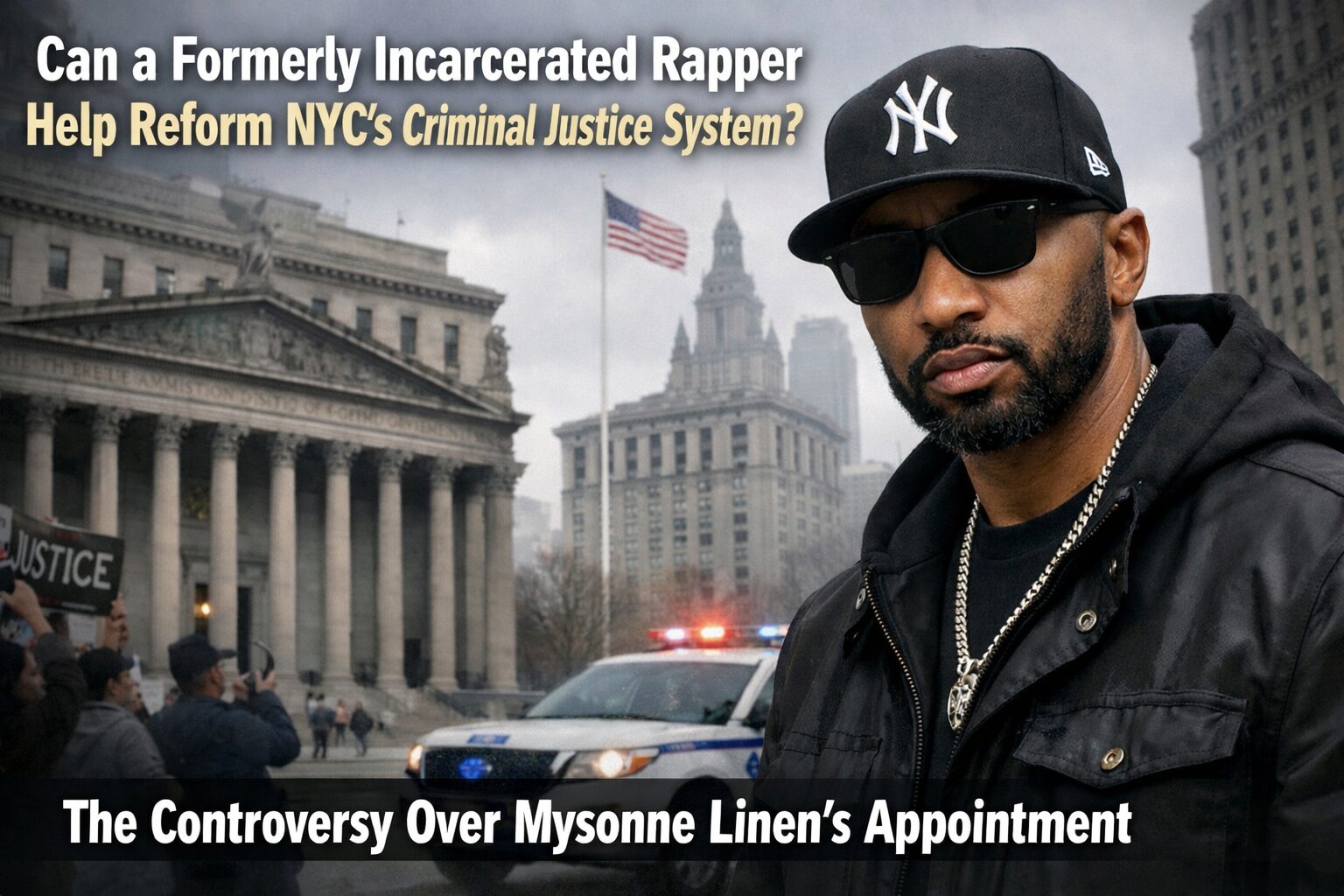
New York City is on the brink of a new era in criminal justice reform, but not without controversy. Mayor-elect Zohran Mamdani has stirred debate by appointing rapper and social justice activist Mysonne Linen to his criminal legal system transition committee—a decision that has raised questions about second chances, redemption, and the role of those with criminal pasts in shaping public policy. So, why is Linen’s appointment so contentious, and what could it mean for the future of justice in NYC?
Who Is Mysonne Linen, and Why Does His Appointment Matter?
Mysonne Linen is no stranger to the spotlight, but his latest role is perhaps his most high-profile yet. A former convicted felon, Linen served seven years in prison for two armed robberies in 1999. However, his story doesn’t end there. Since his release, Linen has transformed himself into a leading voice in the fight for racial justice and criminal justice reform, co-founding Until Freedom, an organization dedicated to addressing systemic inequalities and advocating for marginalized communities.
Linen’s appointment to Mamdani’s transition team is seen by many as a recognition of his expertise and lived experience. But for others, it’s a cause for concern. The question on everyone’s mind: Can someone with Linen’s past truly advocate for fairness and rehabilitation in the criminal justice system?
The Arguments For and Against Linen’s Appointment
Critics of Linen’s appointment argue that his criminal history disqualifies him from serving in a role that will help shape public policy. “We need leaders who embody the values we want to see in our justice system,” one opponent stated, questioning whether Linen’s past actions could undermine his credibility as an advocate for change. They worry that his appointment could send the wrong message, suggesting that criminal behavior can be easily overlooked or forgiven.
On the other hand, supporters of Linen’s appointment emphasize the importance of second chances and the unique perspective he brings to the table. “You can’t reform a system you haven’t lived through,” one advocate argued, pointing out that Linen’s firsthand knowledge of the flaws in the criminal justice system makes him an invaluable asset to the transition team. They highlight his track record of activism and his commitment to giving back to his community as evidence of his redemption and suitability for the role.
What Does This Mean for NYC’s Criminal Justice Reform?
Mamdani, who is set to be sworn into office on January 1, has made criminal justice reform a central focus of his administration. His transition team, which includes Linen and other experts from various fields, will play a crucial role in advising the new mayor on policy priorities and strategies. The team’s work will begin in earnest after Mamdani takes office, with a focus on addressing issues such as police reform, mass incarceration, and racial disparities in the justice system.
Linen’s appointment is seen as a bold move by Mamdani, signaling a willingness to embrace unconventional voices and challenge the status quo. It also reflects a broader trend in criminal justice reform, where policymakers are increasingly recognizing the value of incorporating the perspectives of those who have been directly impacted by the system. But will Linen’s presence on the team lead to meaningful change, or will the controversy surrounding his appointment overshadow his contributions?
The Road Ahead: Can Redemption and Policy Go Hand in Hand?
As Linen prepares to take on his new role, the debate over his appointment is likely to continue. Whether his critics will be swayed by his activism and advocacy remains to be seen, but one thing is clear: his story has captured the attention of New Yorkers and beyond. In a city grappling with the complexities of crime and punishment, Linen’s journey from prison cell to policy influence offers a compelling narrative of redemption, resilience, and the power of second chances.
The question now is whether NYC is ready to embrace that narrative and the changes it could bring. Can a formerly incarcerated rapper truly help reform the criminal justice system, or is his appointment a step too far? As Mamdani’s administration prepares to take office, all eyes will be on the transition team and the policies they help shape. For Linen, the appointment represents not just a personal milestone, but an opportunity to make a lasting impact on the lives of countless others who have been touched by the criminal justice system.


Leave an answer