
Will Trump Strike Iran Before Talks Resume – Or Can Diplomacy Avert a Wider Crisis?
Question
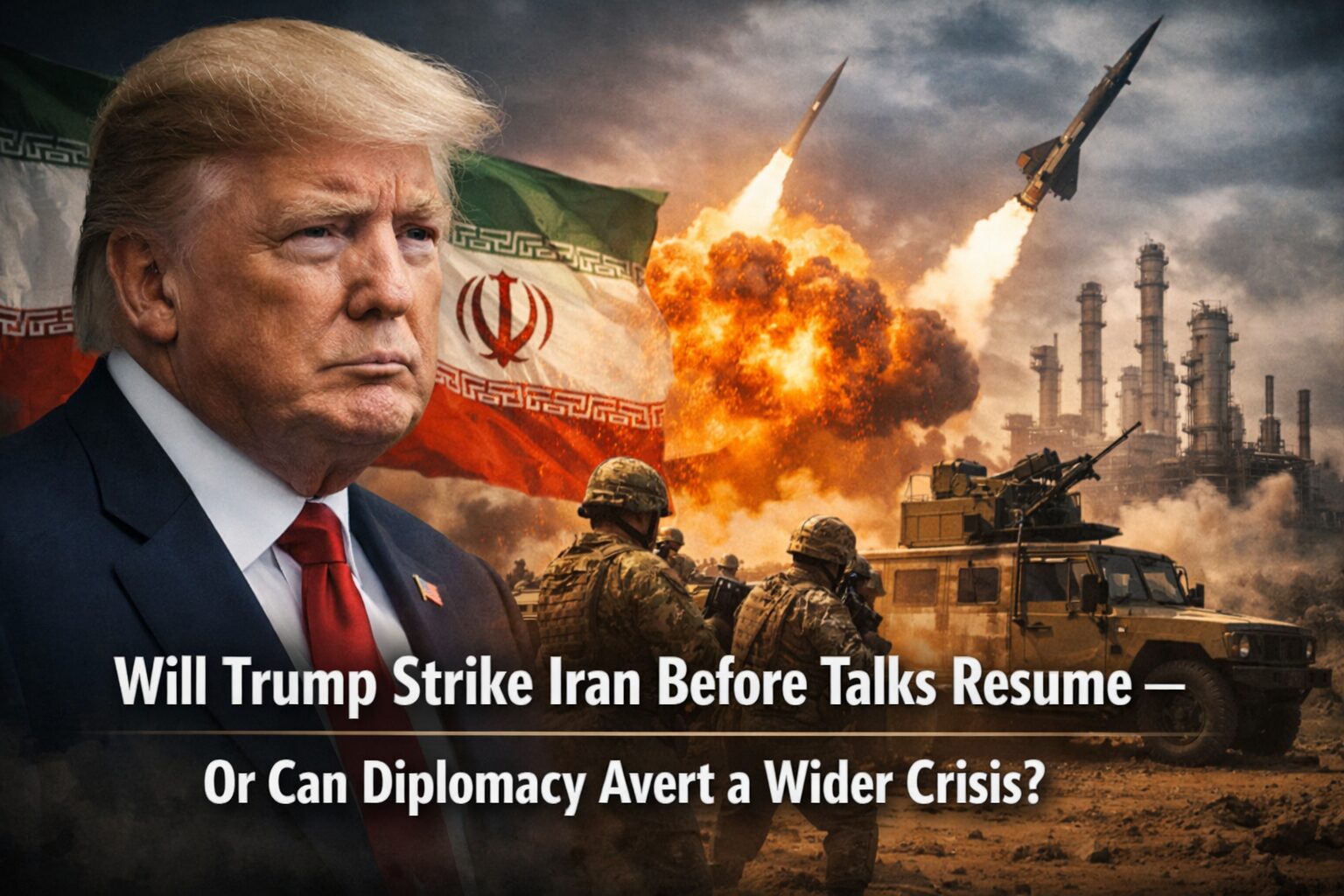
As nationwide fury boils over in Iran, with hundreds reportedly dead in a fierce government crackdown, the world watches a high-stakes showdown: U.S. President Donald Trump mulls aggressive action while Tehran insists dialogue remains possible. Could back-channel messages prevent escalation, or are we heading toward military confrontation in the Middle East?
The unrest exploded on December 28, 2025, triggered by a catastrophic currency collapse and runaway inflation that have crushed everyday Iranians. What started as marketplace outrage in Tehran rapidly escalated into demands to dismantle the 47-year-old clerical system born from the 1979 Islamic Revolution. Demonstrations now rage in every province, with chants echoing calls for regime change and an end to theocratic dominance.
Human rights organizations paint a harrowing scene. Groups like HRANA and others report over 500 protester deaths, thousands arrested, and widespread use of live ammunition by security forces. An internet blackout since early January has shrouded the full scale of violence, but smuggled videos reveal crowds facing tear gas, beatings, and gunfire. State media counters by highlighting casualties among security personnel and blaming “foreign-backed terrorists” – pointing fingers at the U.S. and Israel.
Tehran’s response has been unyielding. Supreme Leader Ayatollah Ali Khamenei has vowed no retreat, labeling rioters as threats to national stability. Officials warn of harsh penalties, including death-penalty charges for participants. Pro-government rallies fill squares, while parliament speaker Mohammad Baqer Qalibaf – a former Revolutionary Guards commander – declares a multi-front war against economic pressure, psychological operations, and alleged terrorism. Reports detail attacks on mosques and emergency vehicles, which authorities attribute to infiltrators.
Yet amid the threats, a surprising thread of communication persists. Iran’s Foreign Ministry confirmed that Foreign Minister Abbas Araqchi maintains an open channel with U.S. special envoy Steve Witkoff, exchanging messages as needed. Traditional intermediaries like Switzerland also keep lines active. Araqchi has publicly stated Iran is “prepared for war” but equally open to “serious and real negotiations,” particularly on the nuclear file – rebuilt after last year’s U.S.-Israeli strikes.
On the American side, Trump has been vocal and unpredictable. He has warned that any further killing of protesters could prompt a “very strong” response, claiming Iran reached out for talks on its atomic program. Speaking aboard Air Force One, he noted a potential meeting in the works but stressed action might come first. Advisers briefed him on options ranging from targeted strikes and cyber tools to expanded sanctions and covert support for dissidents. A Tuesday meeting reportedly weighed these paths, though risks loom large: Iranian bases in populated areas could lead to heavy civilian tolls, and Tehran has threatened retaliation against U.S. assets and Israel.
This comes after a weakened Iranian position – diminished regional allies like Hezbollah, losses from the June war, and ongoing economic strain. The Revolutionary Guards’ vast business empire fuels resentment, but the leadership and military appear cohesive, with no major defections.
Protesters, meanwhile, remain fragmented without clear leadership, though solidarity echoes globally. As the death toll climbs and the internet blackout persists (with promises of gradual restoration), the question hangs: Will Trump’s threats force concessions, or push Tehran into a corner? Or could sustained back-channel diplomacy open a path to de-escalation before the region ignites further?
The next days could decide if this becomes a turning point for freedom in Iran – or a spark for broader conflict.


Leave an answer