
When the Flu Shot Isn’t a Perfect Match: Are We Defenseless in This Season’s Surge?
Question
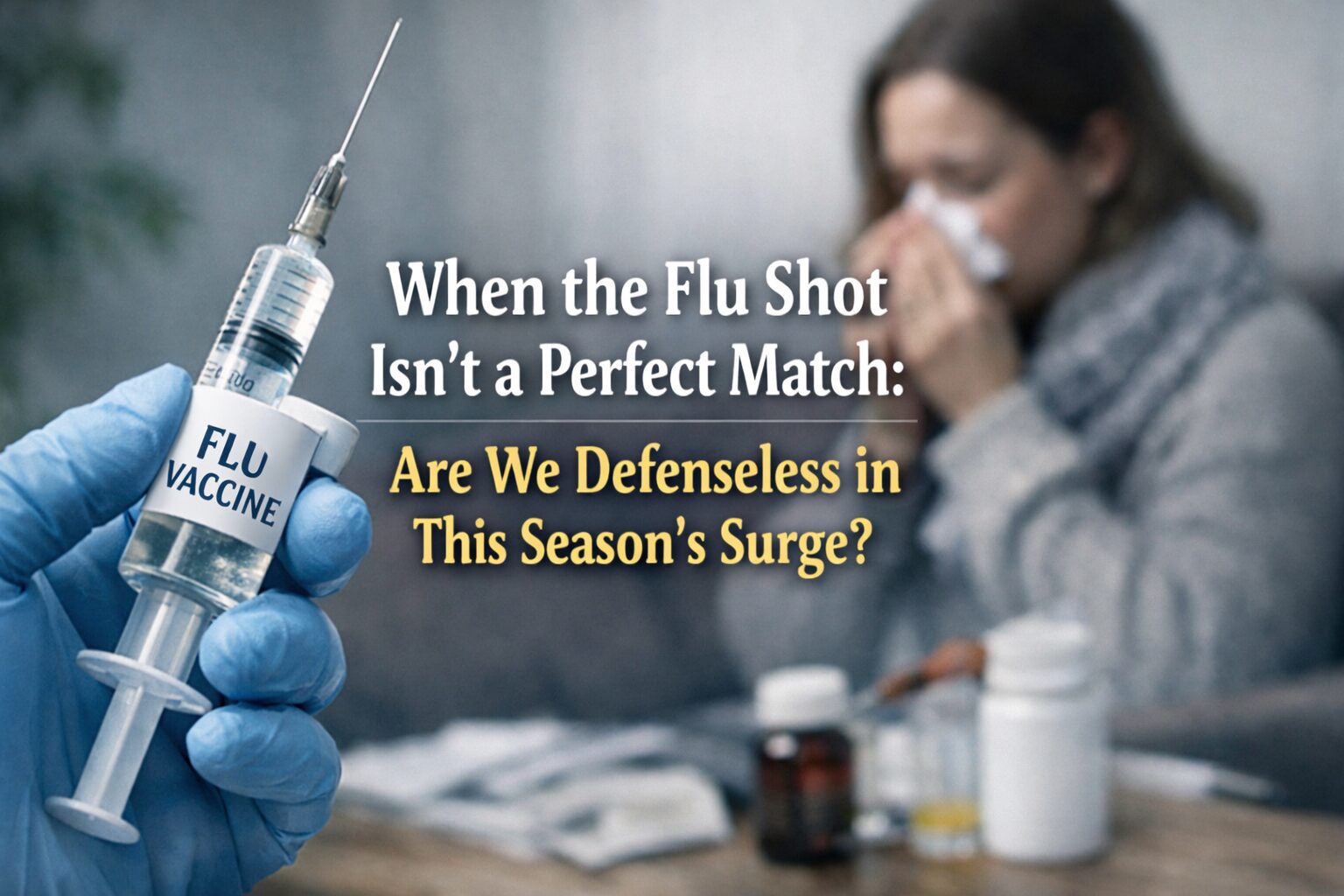
What happens when the annual shield we count on—the flu vaccine—isn’t aligned with the virus raging through our communities? In North Texas clinics, that’s not a theoretical question; it’s the exhausting reality doctors and families are facing daily.
Walk into any busy pediatric clinic in Dallas right now, and the evidence is overwhelming. “It feels like every other exam room has a flu-positive child in it,” shares one frontline pediatrician, who describes diagnosing entire families with the same brutal symptoms after testing just one member. This isn’t just a bad season; the data confirms a severe and early surge, with Texas among states reporting the highest levels of influenza activity nationwide.
But here lies the complicating twist: a significant portion of this misery is being driven by a specific strain of flu, H3N2, that has “drifted.” In simple terms, the virus changed after the recipe for this year’s vaccine was locked in, making the shot a less precise match. So, does that mean getting vaccinated was pointless?
Infectious disease experts are adamant: absolutely not. “This is the most critical message,” stresses a pediatric specialist at a major children’s health system. “Even with a less-than-ideal match, the vaccine remains our single best tool to prevent the worst outcomes—hospitalization and death. It can blunt the severity of the illness.” Their system is currently battling what he calls the most significant flu season in two decades, making this partial protection more valuable than ever.
Yet, this scientific nuance is colliding with a shifting landscape of public trust and policy. Recent changes to federal childhood vaccine recommendations have removed the universal flu shot guideline. This shift lands in waiting rooms where pediatricians already report spending more time than ever in conversations with hesitant parents.
“So now, we’re managing a twin challenge,” explains a Dallas clinic doctor. “We have a fierce virus that’s partly evading our vaccine, and we have a backdrop of increased questions and distrust. Our role is to navigate that conversation, to explain that some armor is always better than none in a fight.”
The question facing us all extends beyond Texas: In a season of viral change and societal skepticism, do we abandon a tool because it isn’t perfect? For the medical community watching hospital beds fill, the answer is a resounding no. They are betting on the power of partial protection, hoping the public hears their plea over the cough-filled silence of a worsening flu wave.


Leave an answer