
What Really Happened on Christmas Night When Deputies Pulled Over a Car on State Route 260?
Question
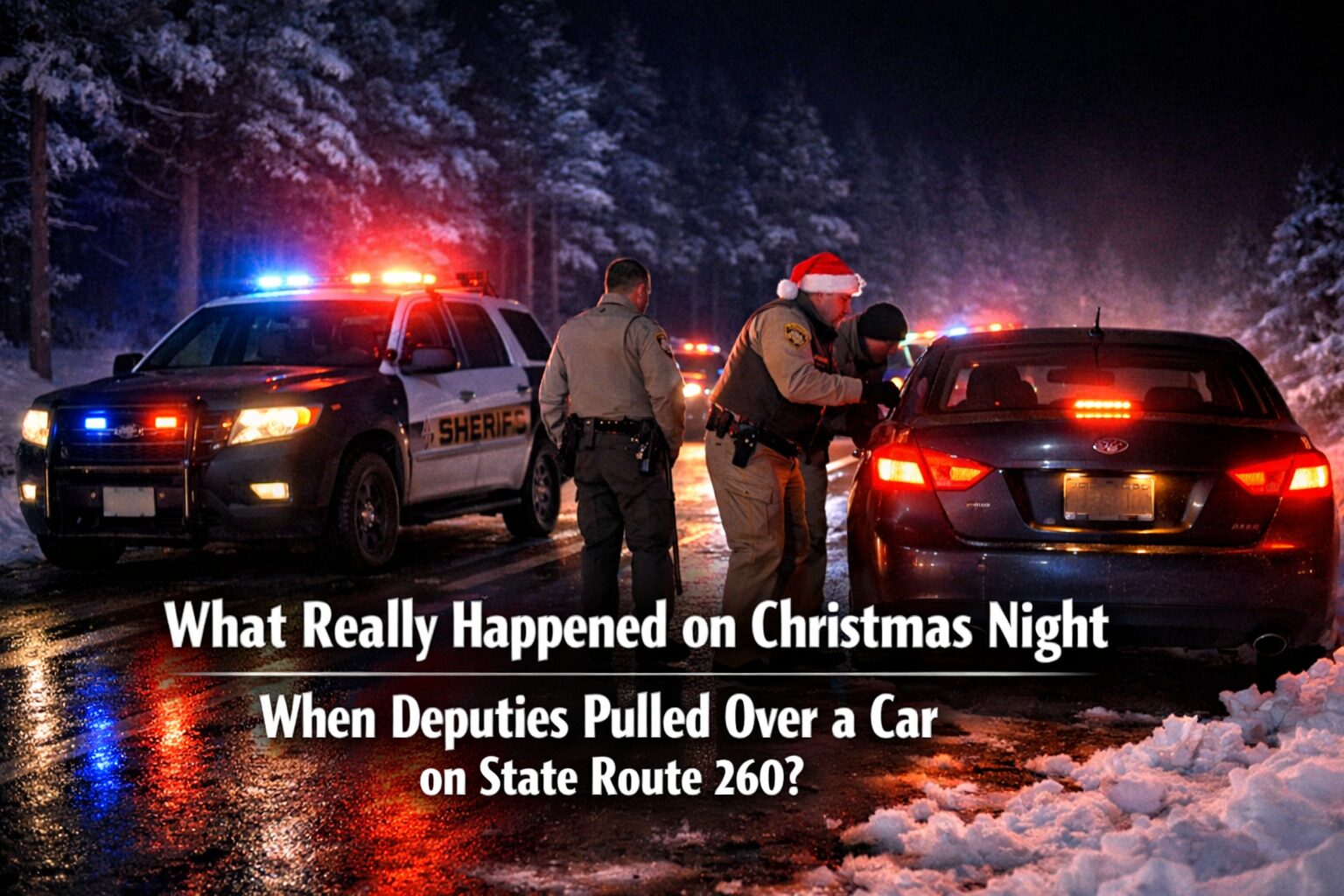
How a routine traffic stop in Payson exposed a hidden meth pipeline—and what it means for your community
Was It Really Just a Routine Traffic Violation?
Picture this: It’s Christmas night in Payson, Arizona. Most families are digesting ham dinners or chasing kids hopped up on candy canes. But on State Route 260, a dark stretch of highway cutting through the high country, Gila County Sheriff’s deputies spot something amiss—a civil traffic violation so minor it barely registers.
They flip on their lights. The car pulls over. And that’s when everything shifts.
What started as a standard holiday patrol stop—think expired registration or a rolling stop—quickly morphed into something far more sinister. But what made deputies suspect this was more than a simple ticket?
Why Did a K9 Unit Show Up to a Basic Traffic Stop?
Here’s where instinct meets training. During the stop, the driver allegedly displayed behavioral cues that set off alarm bells. We’re talking red flags—though officials won’t specify whether it was jumpy body language, conflicting stories, or visible contraband glimpsed through the window.
Whatever the clues, they were enough to call in a K9 unit. Within minutes, a trained narcotics dog circled the vehicle and delivered an unmistakable alert: drugs inside.
But what gives police the right to search after a dog signals? And how reliable are these K9 partners, really?
What’s the Big Deal About 19.6 Grams of Meth?
When deputies popped the trunk and searched the interior, they found 19.6 grams of crystal methamphetamine—plus drug paraphernalia that suggested more than personal use. But why does this amount matter?
Law enforcement sources explain that anything approaching 20 grams crosses the threshold from “user quantity” into distribution territory. That’s not a personal stash; that’s inventory. While families were exchanging gifts, someone was allegedly running a mobile drug storefront through rural Arizona.
So how many doses does 19.6 grams represent? Enough to fuel addiction, crime, and chaos across multiple small communities.
Who Was the Driver—and Where Are They Now?
The person behind the wheel remains anonymous, at least for now. Gila County officials have withheld the driver’s name and age, citing an ongoing investigation. What we do know: they were arrested on the spot, booked into Gila County Jail, and face potential distribution charges that could carry years of prison time.
Why the secrecy? Could this lead to bigger arrests? And what does it mean when a single traffic stop might unravel a larger trafficking network?
Why Should Rural Roads Like Route 260 Worry About Drug Trafficking?
Methamphetamine isn’t just an urban crisis. In northern Arizona, highways like State Route 260 serve as critical corridors connecting Phoenix’s metro sprawl to remote mountain towns. Traffickers exploit these quiet routes, betting that limited law enforcement presence means easier passage.
But are they right? This Christmas bust suggests otherwise. Proactive patrols and K9 support are turning rural roads into gauntlets for criminals. Still, with addiction rates climbing and treatment resources scarce in these areas, is intercepting drugs enough?
What’s the Real Cost of Meth in Small-Town America?
While the seizure makes for a triumphant headline, the darker story looms: every gram represents fractured families, stolen property, and children growing up in homes ravaged by addiction. The festive season, meant for connection, becomes another day in the cycle of supply and demand.
So what’s the solution? More patrols? Harsher sentences? Or is the real answer found in treatment access, community programs, and breaking the economic desperation that fuels both use and trafficking?
How Can You Spot and Stop Drug Activity?
Law enforcement insists community vigilance matters. But what should you actually look for? Unusual traffic at odd hours, vehicles parked for extended periods in secluded areas, or evasive behavior during routine interactions can all be indicators.
Gila County officials actively encourage residents to report suspicions through official channels. But what happens to your tip? And can ordinary citizens really make a difference in disrupting drug networks?
Will This Christmas Bust Actually Make Gila County Safer?
The driver’s holiday ended in a jail cell, but the community’s win is complicated. Removing 19.6 grams from circulation is significant, yet meth remains cheap, plentiful, and devastatingly addictive across Arizona.
So what does this incident really prove? That routine traffic stops save lives? That K9 units are worth their weight in gold? Or that the war on drugs is a never-ending game of whack-a-mole on dark highways?
As New Year’s approaches, deputies—both human and canine—continue their patrols. Their message is clear: holidays or not, if you’re running poison through our county, we’re watching. But the question remains: is watching enough?


Leave an answer