
What If Your Beloved Pet Turned on You—Could You Find Peace Without Blame?
Question
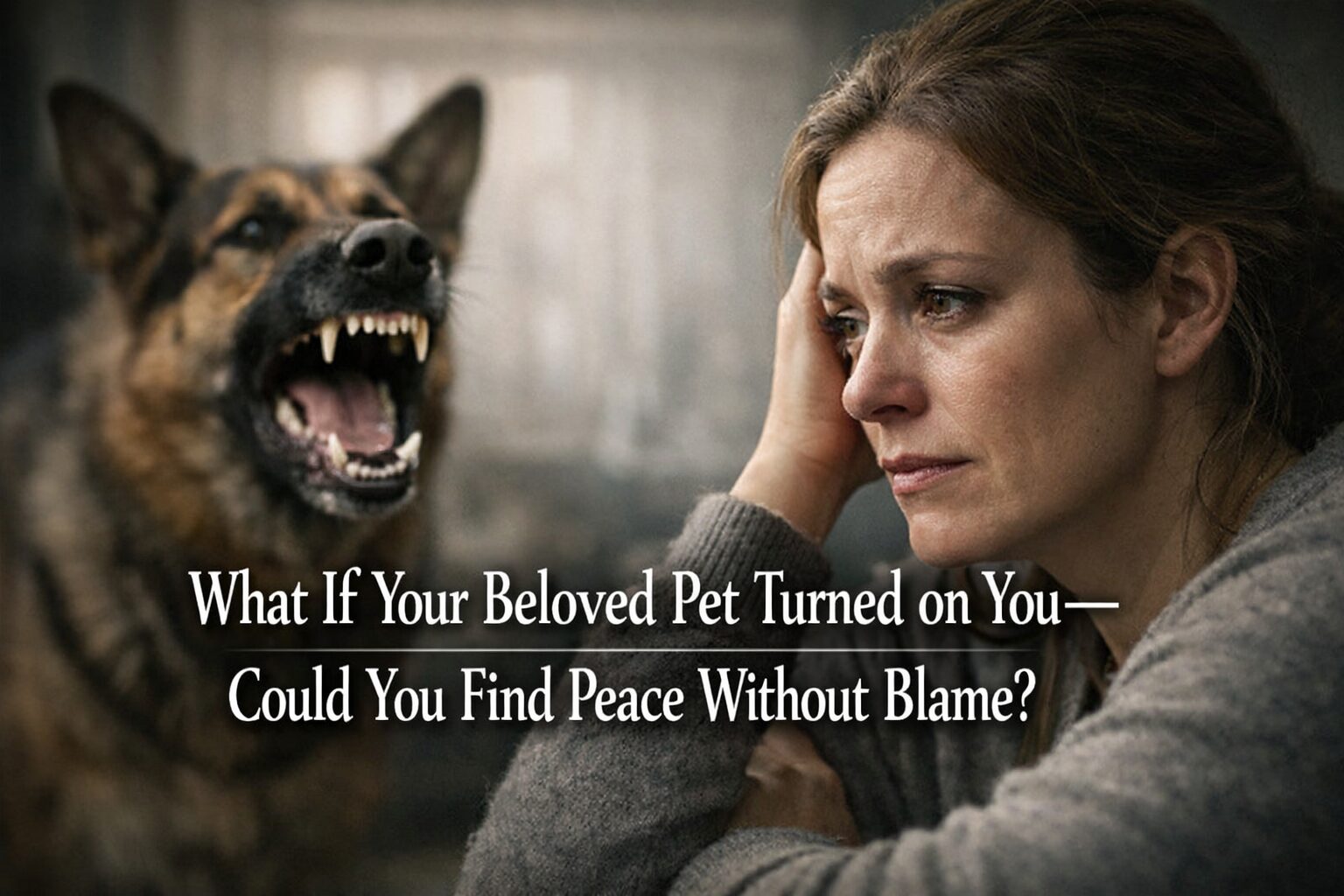
Imagine a quiet holiday break, the comfort of home, and the dogs you’ve raised since they were pups. Now, picture one of them, without warning, locking its jaws onto your arm with terrifying force. This isn’t a horror movie plot; it was the shocking reality for Cydni Simmons. But here’s the real question that lingers long after the headlines fade: After surviving such a trauma and losing a limb, where does your anger go?
What would you do if “man’s best friend” became your greatest danger? For Cydni, the attack by the family Rottweiler, Blackjack, was just the beginning of a nightmare. Emergency responders had to make an unthinkable choice. The damage was so severe it launched a seven-month medical marathon of grafts, transfusions, and impossible decisions. Faced with the potential of a high-risk surgery that could compromise her future health, she made the agonizing choice to amputate. The physical battle was clear, but the emotional one was just beginning.
So, where do you direct the fury? At the dog? At fate? At yourself? This is where Cydni’s story challenges every assumption. What if you could look at the animal that changed your life and feel no hatred? While the world might expect lasting fear or bitterness, Cydni made a conscious, radical choice: to not blame Blackjack. “He was a dog doing something that dogs do,” she reasons, seeing instinct where others might see malice. Is that a form of forgiveness, or something else entirely?
And what does “recovery” even mean when your body is permanently altered? Is it about regaining what was lost, or building something new? Cydni chose the latter. She calls herself “adaptive, not disabled,” focusing not on limitation but on ingenious relearning. She returned to her love of animals, refusing to let the past dictate her future. But she’s honest, too: the anxiety lingers, less about dogs and more about navigating a world that sees her difference. Isn’t that the true test of resilience—to carry the weight without being crushed by it?
Finally, what can we learn from someone who’s stared down this depth of trauma? Cydni’s viral message isn’t about the attack; it’s about what comes after. It’s a challenge to have grace—for others and for ourselves. When life fractures into a ‘before’ and ‘after,’ her story asks us: Will you let the worst moment define you, or will you write the next chapter with compassion and relentless will?


Leave an answer