
What Happens When the Man Who Once Played a Sioux Warrior in Hollywood Becomes Accused of Weaponizing Sacred Traditions to Prey on His Own People for Two Decades?
Question
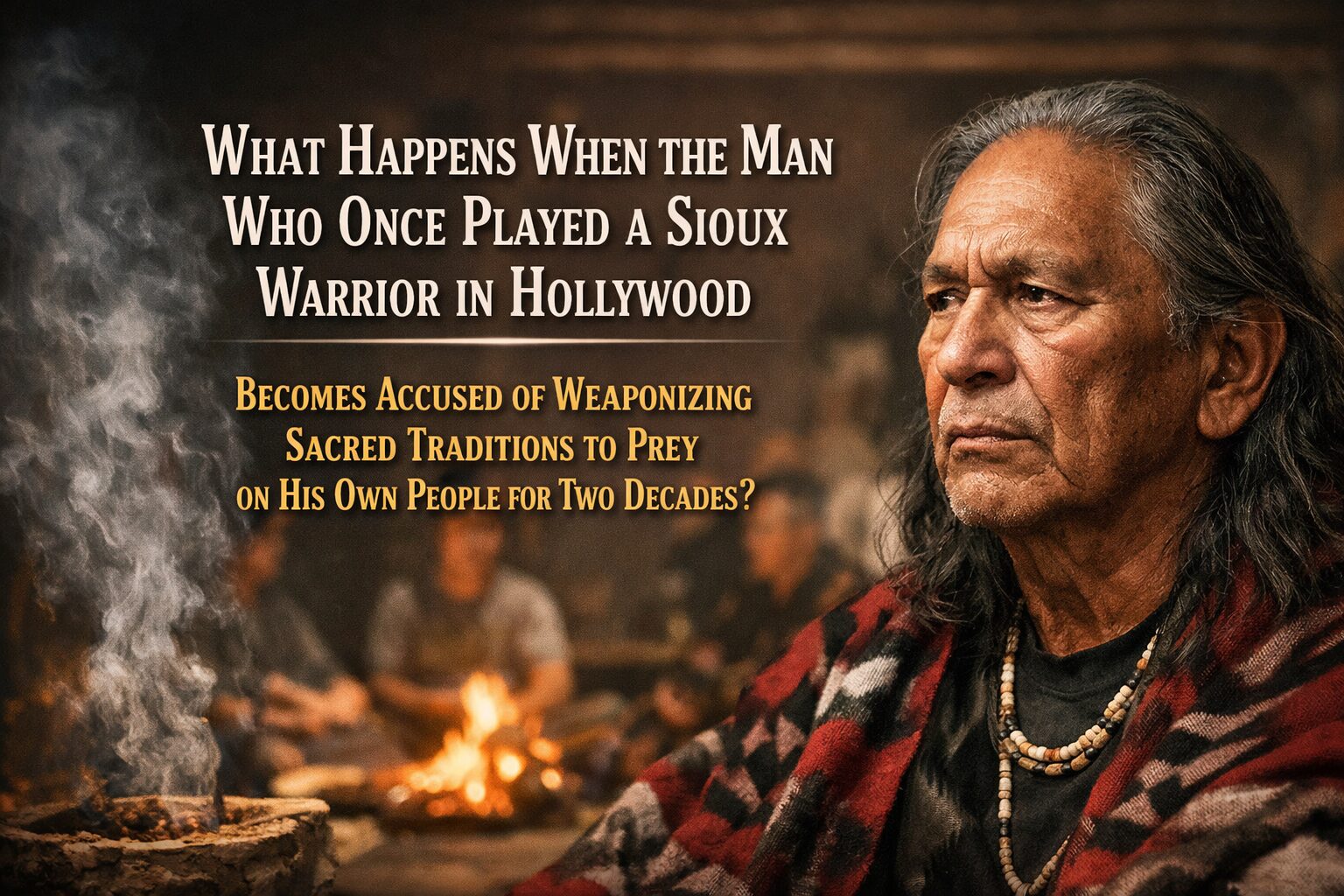
What would you do if the actor who once portrayed innocence on screen turned out to be the villain in a real-life horror story spanning twenty years? How does a 13-year-old boy from South Dakota’s Rosebud Reservation, who charmed audiences as “Smiles A Lot” in Dances with Wolves, allegedly transform into the leader of something prosecutors call a cult? Why would a man celebrated for representing his culture decide instead to exploit it?
Can a courtroom handle the collision of Hollywood fame, spiritual exploitation, and systemic failure? When Nathan Chasing Horse stood before Judge Jessica Peterson in Las Vegas, why did he scream about being abandoned by his own lawyer? Why would a defendant, just days before his three-week trial, risk getting thrown out of court by demanding to fire his private attorney? What kind of desperation—or strategy—makes someone create that level of chaos when twenty-one felony charges, including allegations of assaulting children, are hanging over their head?
Who are the women prosecutors say he hurt? Why did Janessa Lambert allegedly let him into her British Columbia home in 2018, only to reportedly experience the kind of violation that leaves you feeling “disgusted and gross”? When she found the courage to report it to police in 2022, why did the officer’s skepticism mirror the silence so many indigenous women face? What does it mean when authorities say they can do nothing unless an alleged predator willingly returns to the scene of the crime?
What exactly is The Circle? How does a self-proclaimed medicine man convince followers he speaks with spirits? When prosecutors claim his victims came seeking medical help, what does that reveal about healthcare gaps in Native communities? Why was he allegedly living with five wives when arrested in 2023? Is this spiritual plural marriage, as some might claim, or something far more sinister—a web of manipulation woven across sovereign nations?
How does a case get completely dismissed, then rise from the dead? Did Nevada prosecutors really abuse the grand jury process by presenting definitions of grooming without expert testimony? When the state Supreme Court slammed the door on the original indictment but left it cracked open for refiling, what message did that send to survivors who had already risked everything to come forward? Why does justice for indigenous women so often depend on legal technicalities rather than truth?
What happens next Monday when jury selection begins? Can twelve strangers untangle two decades of alleged crimes from legitimate spiritual practices? Will they understand the weight of trusting a medicine man in Lakota culture, or how betrayal at that level doesn’t just harm individuals but desecrates entire traditions? If convicted, does that restore faith in systems that historically fail Native women? If acquitted on technicalities, what does that tell the next survivor considering speaking out?
Why does this story grip us? Is it the Hollywood downfall, the cult dynamics, the #MeToo reckoning, or the unique pain of watching someone allegedly turn their own culture into a hunting ground? How many more Nathan Chasing Horses are out there, hiding behind masks of spirituality, fame, or authority? And most urgently—when survivors do find their voice, will we finally build a system that listens the first time?


Leave an answer