
What Happens When a Superpower Decides to Sell Seats at the Peace Table?
Question
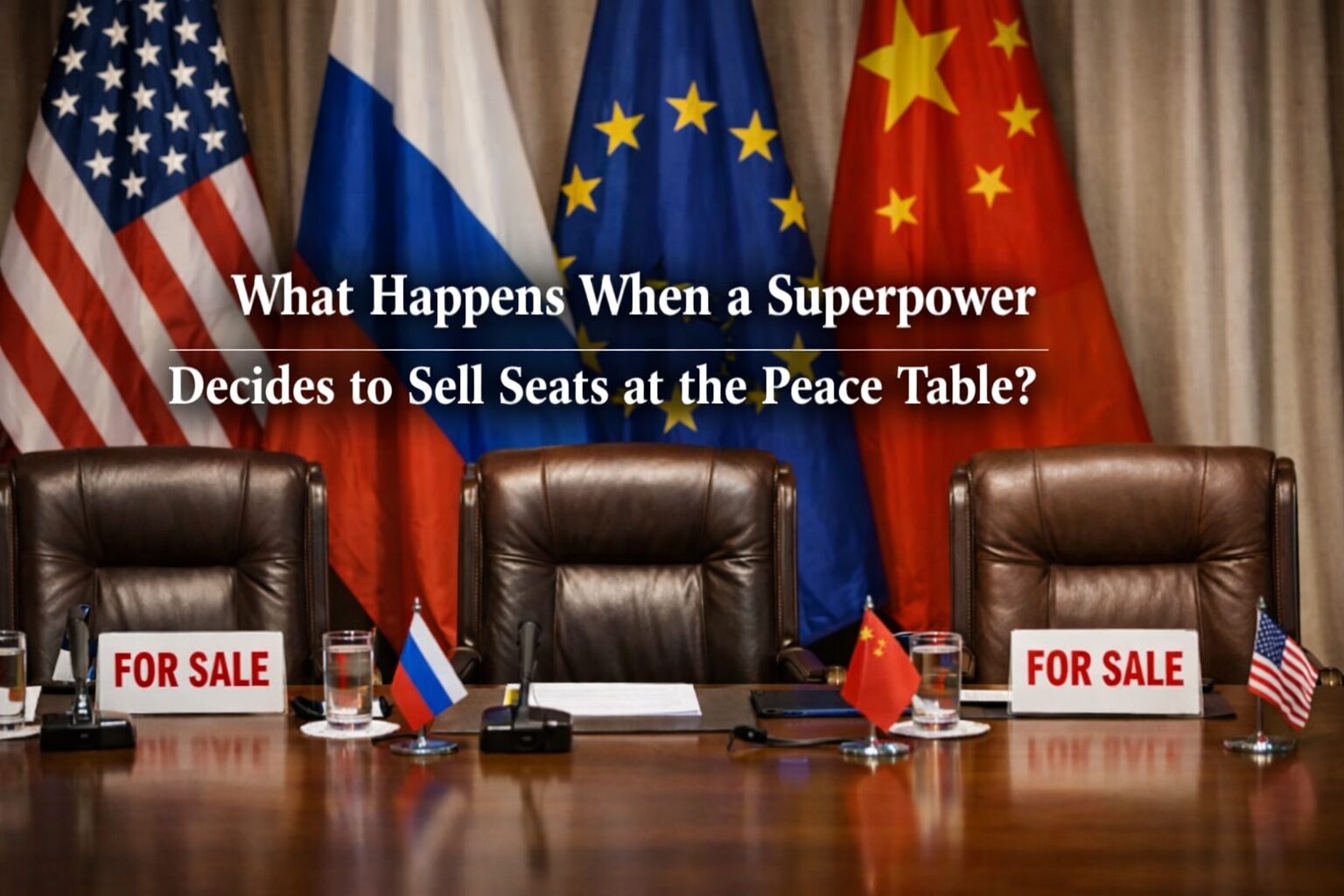
What do you do when the most powerful nation on Earth sends you an invitation, not to a meeting, but to a takeover? This week at Davos, that’s the question racing through the corridors of global power as former President Donald Trump launched his “Board of Peace”—an organization with a U.N.-rivaling scope and a billion-dollar suggested price tag for a permanent seat.
Is this the birth of a bold new tool for global conflict resolution, or the most audacious fundraising and power-consolidating scheme in modern diplomacy?
The launch was pure political theater. Flanked by only a handful of European allies, Trump presented the board as a necessary corrective to a United Nations he called underperforming. “We can do pretty much whatever we want to do,” he declared, in a statement that was equal parts promise and threat. But the real story wasn’t on the stage; it was in the fractured, anxious reactions from capitals worldwide.
How do you respond to an offer you might not be able to afford to refuse? Nations are now scrambling to answer. Some have rushed to say yes. Others, like France and Nordic countries, have refused outright—a move that earned France a sudden threat of 200% tariffs on its wine from Trump. Canada gave a conditional “maybe,” tying its participation to humanitarian aid flows to Gaza. Belgium found itself publicly listed as a member, only to have its own foreign minister immediately contradict the announcement online, exposing the chaotic rollout.
The confusion deepens with the guest list. Imagine receiving a wedding invitation where the bitterest of enemies are both on the roster. That’s the reality for Ukraine and Russia, both of whom were invited. Ukrainian President Volodymyr Zelensky voiced the obvious question: “How can we sit at a peace table with the nation invading us?”
Perhaps the most critical question centers on the board’s very purpose. Was it born to manage peace in Gaza, as initially hinted to allies? The official charter, leaked to media, suggests a far grander, vaguer ambition: to secure “enduring peace” anywhere in the world. This pivot has left many invited nations wondering: What, exactly, are they buying into?
So, what’s the real price of admission? The stated $1 billion is labeled a “voluntary contribution,” but the subtext is a stark stress test of loyalty and leverage. For European leaders, the dilemma is excruciating: Do they pay a king’s ransom to a U.S.-led project that could undermine the U.N. and NATO systems they built? Or do they risk pariah status with a potentially returning U.S. president whose support is vital for European security? It’s a choice between compromising principles or compromising influence.
In the end, the “Board of Peace” is less a policy proposal and more a profound provocation. It forces every nation to ask itself the fundamental question of this new, volatile era: In a world where the old rules are being auctioned off, do you pay to play, or walk away and hope the game doesn’t continue without you?


Leave an answer