
Venezuela’s Oil Door Reopens: Repsol’s Bet After a U.S. Permit
Question
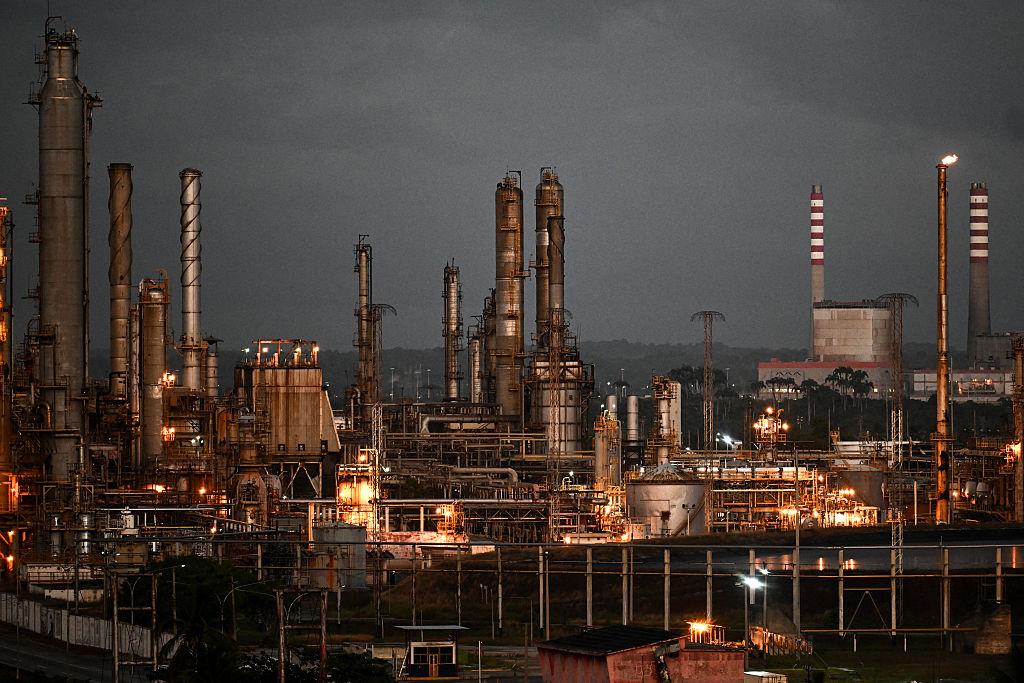
A sanctions-era turning point—Repsol outlines aggressive output plans, while politics and unpaid bills still loom over every barrel.
When the U.S. grants a permit tied to Venezuela’s energy sector, it’s rarely a routine paperwork moment. This week, Spanish energy group Repsol said it aims to triple Venezuelan oil output within three years after receiving authorization from the U.S. Treasury’s sanctions office to resume direct operations. For an industry that’s spent years navigating restrictions, that’s a meaningful shift: it expands what’s practical, not just what’s theoretically possible.
Repsol’s plan is ambitious, but the context matters. Venezuela has the world’s largest proven oil reserves, yet production has long been constrained by underinvestment, operational decay, and sanctions-linked isolation. So when a major international operator talks about scaling up, it’s not just a corporate strategy—it’s a test of whether the system can absorb new capital and technical capacity without choking on politics.
Repsol also carries a financial scar from prior years: billions in money owed by Venezuela stemming from disrupted payment arrangements. That debt is more than a balance-sheet line; it’s a caution sign. Any expansion plan has to answer a blunt question: how will cash actually move, and what guarantees exist if the political winds shift again?
The U.S. angle is equally consequential. A permit implies Washington is willing—at least selectively—to allow more international activity that could raise output. The global logic is straightforward: more supply can help stabilize markets, especially when other geopolitical flashpoints threaten disruptions. But the domestic U.S. logic is messy: any move that appears to soften pressure on Caracas can be politically contentious.
For Repsol, the upside is clear. Boosting output can strengthen earnings and diversify supply options, while positioning the company as a key participant in any broader normalization of Venezuela’s energy exports. Yet the risks are not technical—they’re institutional. Infrastructure needs work, partners need stability, contracts need enforcement, and sanctions compliance must be airtight.
This is the quiet theme beneath the headline: oil output is never just geology. It’s governance, licensing, financing, and trust. If Repsol succeeds, it becomes a case study in how large firms can operate in sanctioned or semi-sanctioned environments without stepping on legal landmines. If it stumbles, it will reinforce the industry’s long-held fear that Venezuela remains ‘high potential, high headache.’


Leave an answer