
The Silent Spill: Environmental Concerns at US Bases in South Korea
Question
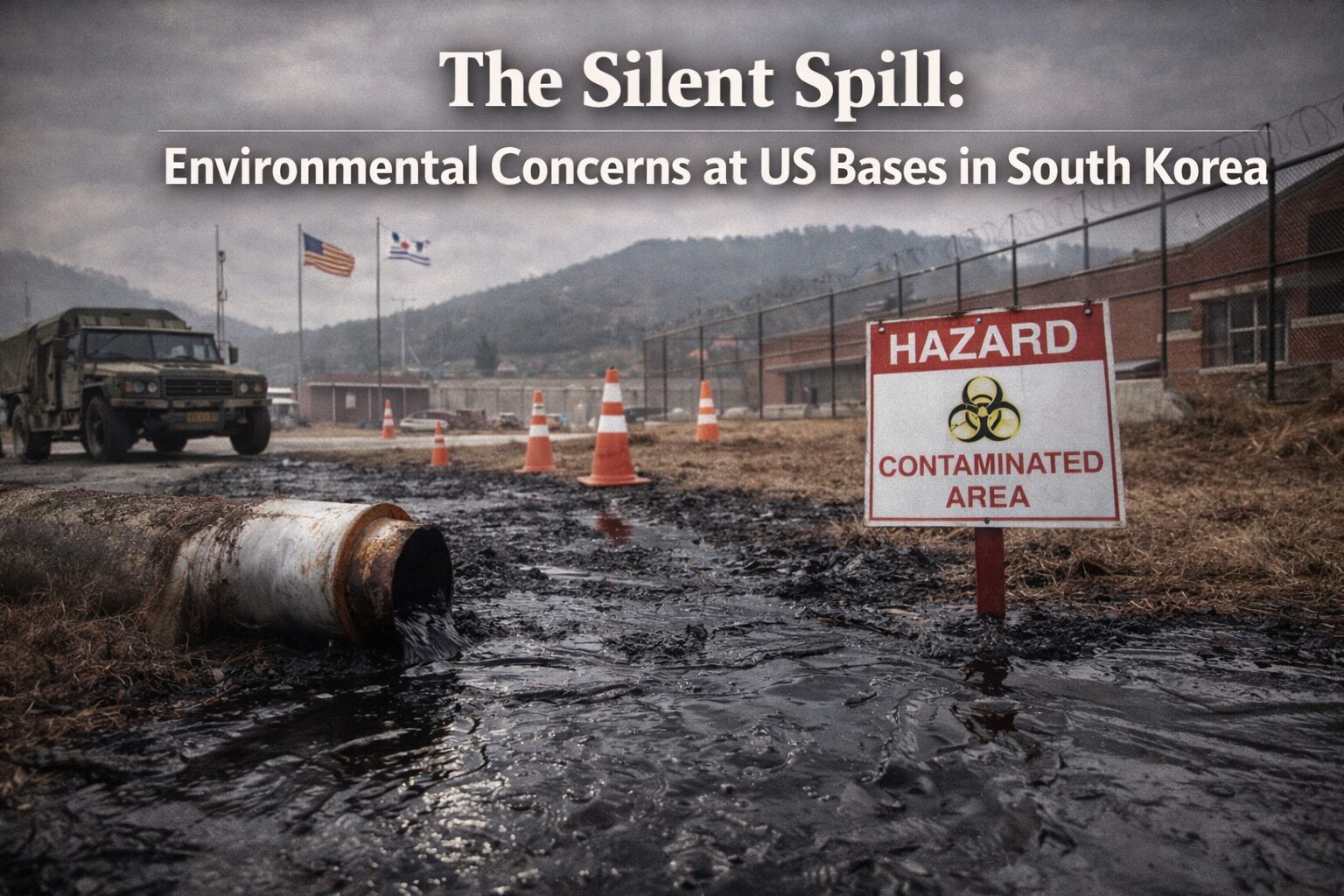
Tens of thousands of gallons of jet fuel have seeped into the ground at a major US Air Force base in South Korea—and the full environmental impact remains unknown.
Approximately 11,000 gallons of fighter jet fuel—enough to fill multiple residential swimming pools—leaked from a storage tank at the US Air Force base in Gunsan, a strategic installation located about 180 kilometers south of Seoul . The fuel, essential for the combat aircraft that maintain America’s military posture on the Korean Peninsula, instead found its way into the surrounding environment.
The leak was not an isolated incident. Yonhap News Agency reported that two large-scale oil spills occurred recently at US military installations in South Korea, raising questions about infrastructure maintenance and environmental oversight at facilities that have been operating for decades . For communities living near these bases, each spill carries consequences that extend beyond immediate cleanup concerns—groundwater contamination, soil remediation, and long-term health impacts that may not manifest for years.
US Forces Korea acknowledged the Gunsan leak, providing details about the volume lost and initial response efforts. But for environmental activists and local residents, official statements often fail to capture the full scope of damage. The Korea-US Status of Forces Agreement, which governs legal jurisdiction over American military personnel and facilities, has historically complicated efforts to hold the US military fully accountable for environmental incidents .
The timing of the spills, coming amid heightened tensions on the peninsula and ongoing military exercises, ensures they will receive attention beyond environmental circles. But for those most directly affected—the Korean citizens living in the shadow of American air power—the concern is less geopolitical than personal: what is seeping into their water, their soil, and their future?


Leave an answer