
Supreme Court Strikes Down Trump’s Emergency Tariffs: The Legal Line, the Economic Fallout, and What Happens to the Money
Question
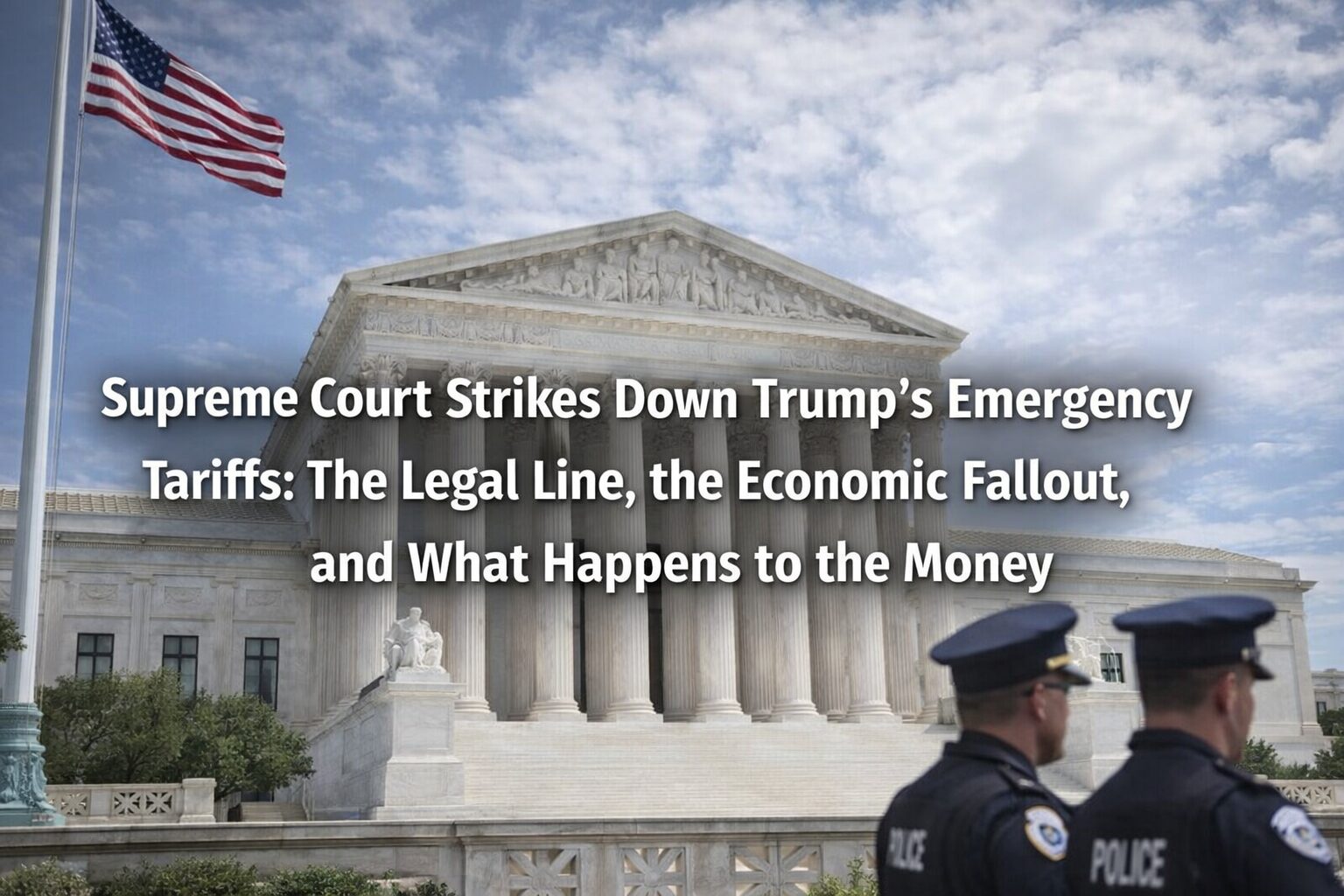
A major Supreme Court decision landed like a thunderclap for trade policy: the Court ruled that the International Emergency Economic Powers Act (IEEPA) does not authorize the president to impose tariffs. The ruling struck at the legal foundation of emergency tariffs and immediately raised practical questions—especially about what happens to duties collected at the border and what the administration does next.
For everyday consumers, tariffs often feel abstract—numbers in political speeches. But for importers and retailers, tariffs are real costs that get built into prices. When the Supreme Court draws a legal boundary, it doesn’t just settle a constitutional question; it triggers operational chaos: customs codes, supply contracts, and pricing models all need rapid adjustment.
Following the ruling, U.S. Customs and Border Protection indicated it would stop collecting the tariffs deemed illegal at a specified time, while also signaling that other tariffs—imposed under different laws—remain intact. That distinction matters. It means the decision doesn’t erase all tariffs; it narrows the tools presidents can use to create them under emergency authority.
Then comes the money question. If duties were collected under a legal theory the Supreme Court rejects, do importers get refunds? How quickly? Under what process? Estimates suggested enormous sums could be at stake, with daily revenue in the hundreds of millions. That sets up a potential storm of claims, litigation, and administrative backlog.
Politically, the ruling becomes ammunition for both sides. Critics say it limits executive overreach. Supporters argue it ties the government’s hands in a fast‑moving trade conflict. But beneath the political framing is a simpler reality: the Court forced a rewrite of how the executive branch can act on trade under the label of “emergency.”
This also connects to the global trade environment. Trading partners watch U.S. tariff authority closely because it affects negotiations, retaliatory planning, and business confidence. When the legal basis shifts, foreign governments and corporations re‑evaluate what a “deal” means if it can be changed or undone by domestic legal outcomes.
The decision also sets a precedent. Future presidents will need to justify tariffs through other legal authorities—like national security statutes or unfair trade practice laws—rather than relying on emergency powers that courts may now view as too open‑ended for this purpose.
In short, the Court didn’t just strike down tariffs. It drew a line on presidential economic power, forced immediate operational changes at ports, and opened a long tail of financial consequences that could play out for months or longer.
For businesses, this weekend’s legal news was not a theoretical debate. It was a sudden shift in the rules of the road—one that will affect pricing, contracts, and trade strategy well beyond the headlines.


Leave an answer