
Olympics vs. the Weather: When a Blizzard Becomes the Main Event
Question
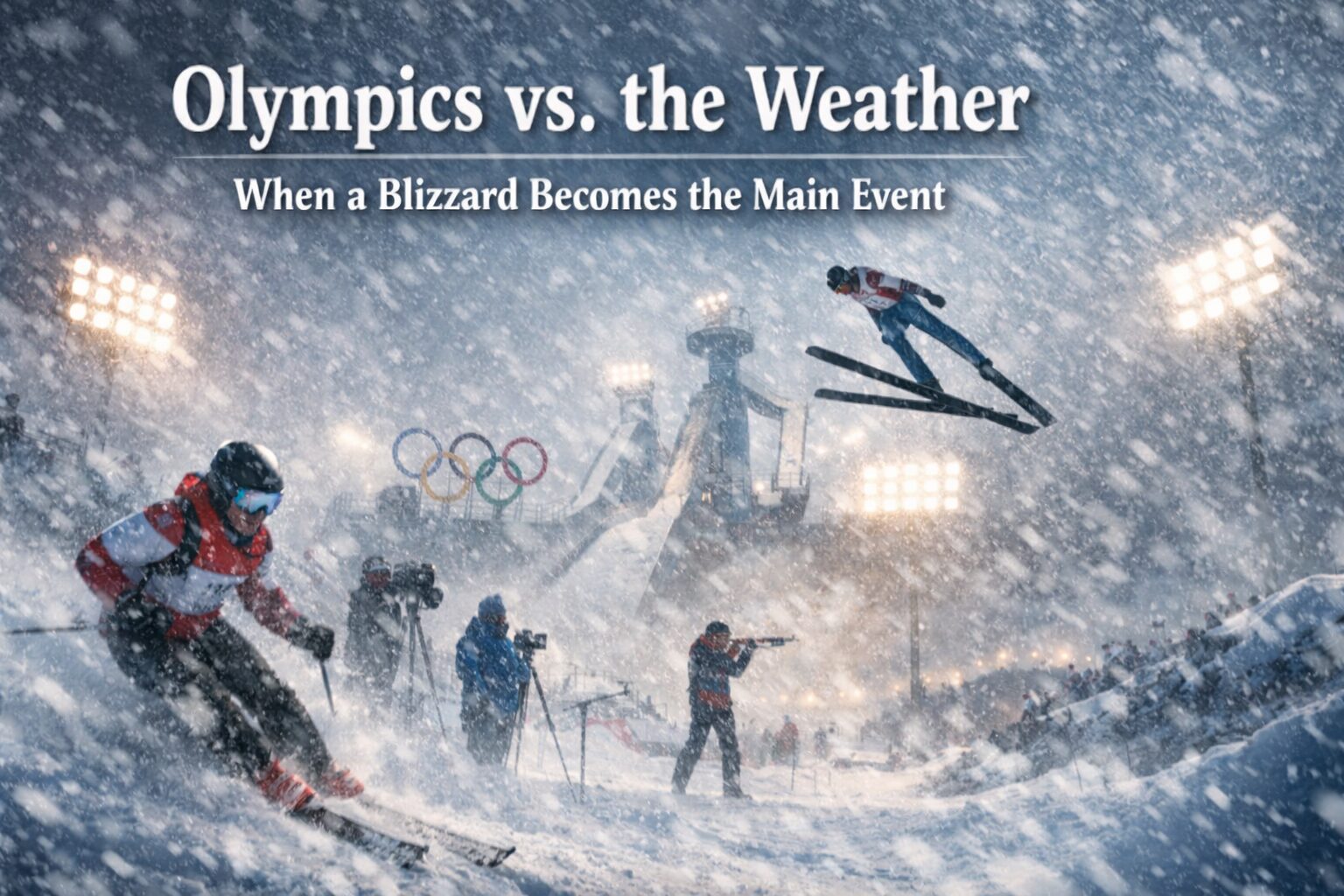
In the Italian Alps, snow is the product—and the problem. Storm delays expose the fragile choreography behind global sport.
The Winter Olympics sell a fantasy of controlled intensity: perfect runs, crisp timing, and a schedule that moves like clockwork. Then a real storm shows up and reminds everyone who’s actually in charge. This week, heavy snow and brutal conditions in the Italian Alps disrupted multiple events, delaying competitions and complicating athlete logistics.
From the outside, a delay can look like a minor inconvenience—just push the start time. But Olympic events are a chain of dependencies: transport from athlete villages, course preparation, safety patrols, broadcast windows, and crowd management. When snowfall becomes extreme, every link stretches at once. Even getting teams to the venue can become a mission, especially in mountainous locations where a single blocked road can ripple into hours of disruption.
The most obvious concern is safety. Freestyle and slopestyle events are already high-risk; visibility, wind, and unstable landings add danger fast. Organizers can’t ‘power through’ without risking injuries that would define the Games more than any medal count.
There’s also a competitive fairness problem. Athletes train for specific snow textures and visibility conditions. When a schedule shifts, some competitors face a different course profile than others—firmer snow, heavier snow, changing winds. Even with best efforts, weather can tilt the playing field.
For broadcasters and sponsors, weather disruptions are a nightmare and an opportunity at the same time. They scramble to fill time, but they also get raw drama: skiers and snowboarders waiting, warming up, cooling down, recalibrating mentally. Those behind-the-scenes moments can become the emotional memory of a Games—when the story turns from ‘who wins’ to ‘who adapts.’
The larger point is that climate and volatility are now part of modern winter sport. Some locations see inconsistent snowfall; others see heavier, more chaotic storms. Organizers plan for contingencies, but every year the edge cases feel less ‘rare.’
This week’s delays weren’t a scandal. They were a reminder: the Winter Olympics is built on snow, and snow does not negotiate. The champions aren’t just the fastest or most technical—they’re the ones who can stay ready when the entire world’s schedule goes sideways.


Leave an answer