
Middle East Tensions Escalate
Question
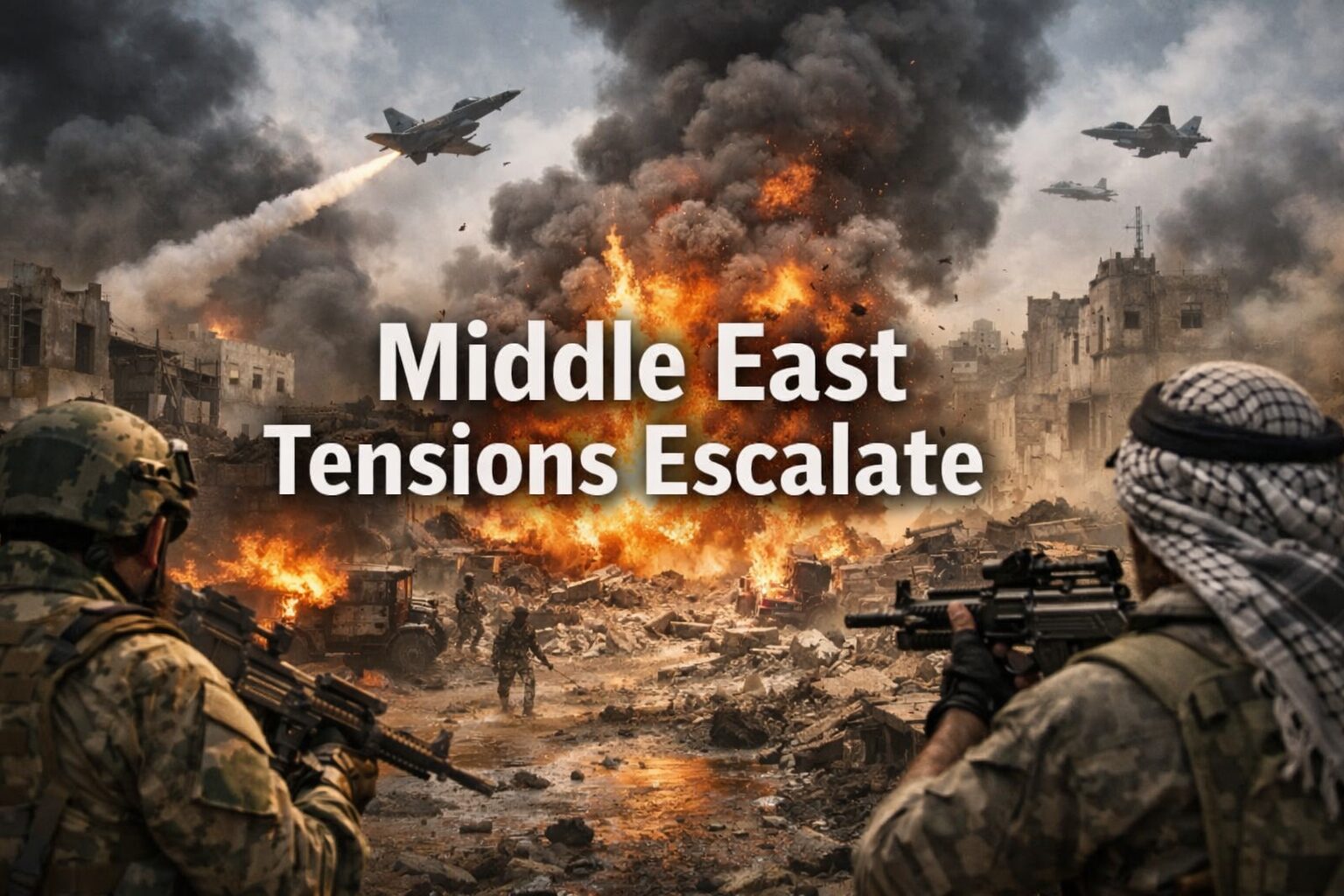
Already simmering tensions between the United States, Israel, and Iran surged to the forefront of global attention. Following months of hostile rhetoric and military posturing, Israeli and U.S. forces launched coordinated airstrikes targeting Iranian leadership and critical military infrastructure. These strikes culminated over the weekend with the reported death of Iran’s Supreme Leader, Ayatollah Ali Khamenei — a moment few analysts expected to occur so soon and one with profound geopolitical implications.
The initial U.S.-Israeli offensive — justified by Washington and Jerusalem as a necessary blow against Iran’s nuclear and missile programs — successfully hit multiple strategic sites across Tehran. The strikes reportedly killed dozens of senior officials alongside Khamenei, leaving a leadership vacuum in Iran and igniting fears of an even wider conflict.
Iran’s immediate reaction was swift and forceful. By late last week, Tehran launched missile and drone attacks on U.S. and Israeli positions, including facilities in the Gulf region. At the same time, Iran’s proxy groups — most notably Hezbollah in Lebanon — began exchanging fire with Israeli forces along the northern border.
Global Political and Economic Ripples
Even before this week’s sharp escalation, world markets were already reacting to growing uncertainty. Oil prices climbed steadily due to concerns over supply disruptions in the Middle East, particularly at key chokepoints like the Strait of Hormuz. Analysts warned that sustained military operations could push energy costs even higher, stoking inflationary pressures worldwide.
Political leaders around the globe voiced a mixture of alarm and cautious support. Some Western governments backed the U.S.-Israeli actions as a blow against Tehran’s regional influence, while many countries in the Global South condemned the attacks, warning they would only deepen instability.
The stage was set for a broader crisis as major capitals scrambled to respond to both security concerns and domestic political pressures.


Leave an answer