
Did the FBI Just Stop a Far-Left Extremist Bomb Plot in California? Here’s What We Know About the “Turtle Island Liberation Front” Arrests
Question
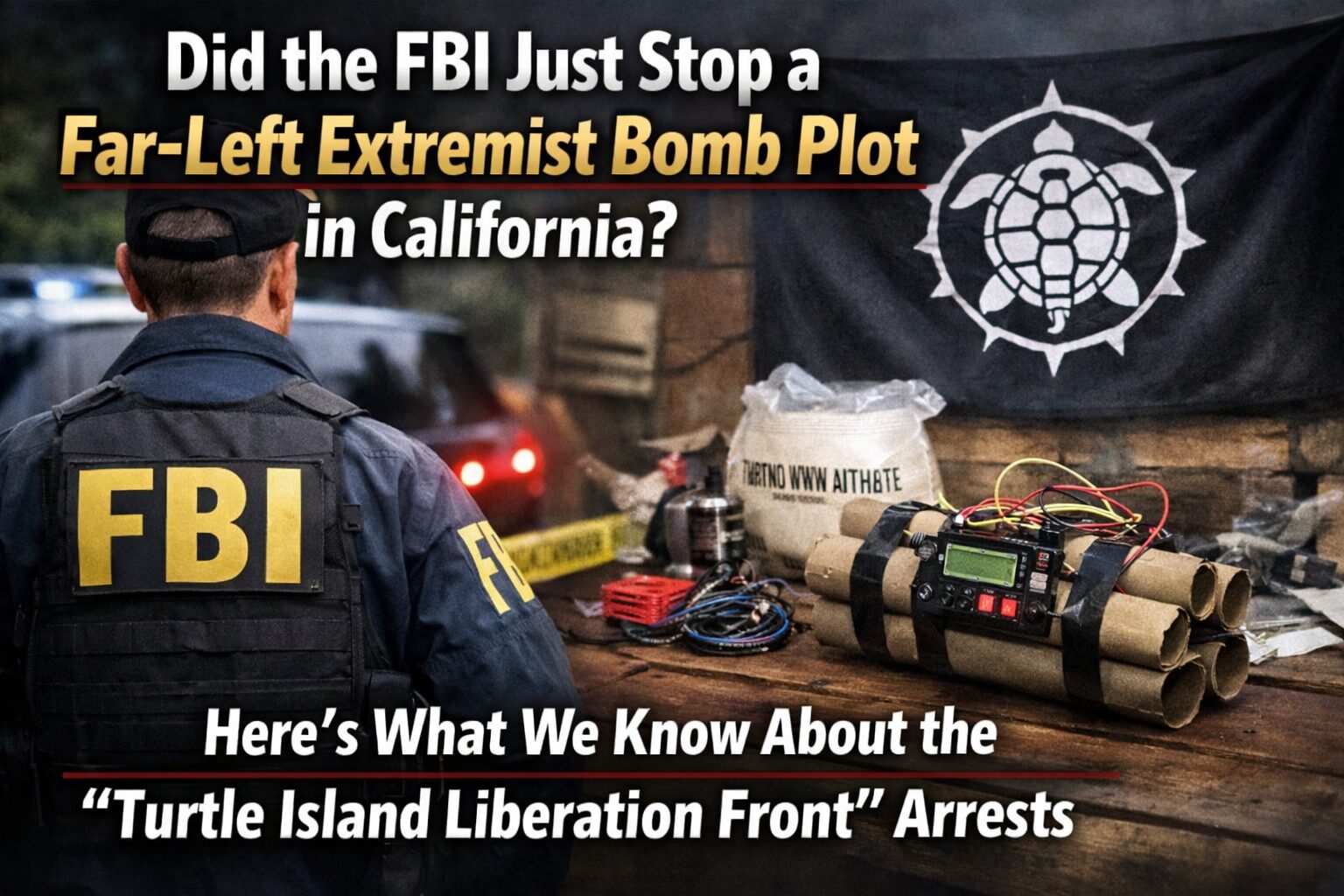
In a dramatic end-of-year operation, federal agents arrested four individuals accused of plotting bomb attacks in Southern California on New Year’s Eve. The suspects, allegedly tied to a group called the Turtle Island Liberation Front (TILF), face charges of conspiracy and possession of destructive devices. But who are they, and how close did they come to carrying out their alleged plan? Let’s break down the key questions surrounding this high-stakes case.
1. What Is the Turtle Island Liberation Front?
Authorities describe TILF as a far-left, anti-government, and pro-Palestinian extremist group. The name “Turtle Island” originates from Indigenous creation myths, where North America is said to form on a turtle’s back. While some Native communities use the term to symbolize sovereignty, federal officials claim TILF is a “radical offshoot” hijacking this imagery for violent ends. Court documents allege the group’s Instagram account promoted attacks on federal agents and called for “decolonization.”
2. Who Were the Suspects Arrested?
The FBI charged four people:
- Audrey “Asiginaak” Carroll: Alleged ringleader, whose Ojibwe nickname means “blackbird.” She reportedly authored an 8-page manifesto, Operation Midnight Sun, detailing plans to bomb ICE facilities and vehicles.
- Zachary “AK” Page: Co-conspirator accused of helping recruit others and acquire bomb-making materials.
- Dante “Nomad” Gaffield: Allegedly assisted in testing a prototype device in the Mojave Desert.
- Tina “Kickwhere” Lai: Charged with participating in the plot, though her exact role remains unclear.
A fifth individual was arrested in New Orleans, but details are scarce.
3. What Was the Alleged Plot?
According to prosecutors, the group planned to detonate improvised explosive devices (IEDs) hidden in backpacks across Los Angeles on New Year’s Eve. They timed the attacks to coincide with fireworks to mask the explosions. Court filings claim Carroll and Page intended to target ICE agents and their vehicles in January or February, using “complex pipe bombs” designed to avoid leaving forensic evidence. The FBI seized materials like PVC pipes, gasoline, and Molotov cocktails during the arrests.
4. How Did the FBI Stop Them?
Agents used a confidential informant to infiltrate the group and gather evidence, including Carroll’s manifesto. The informant reportedly received the document, which included step-by-step bomb-making instructions. On December 29, the FBI arrested the suspects before they could fully assemble the devices, preventing what officials called a “catastrophic” attack.
5. What’s the Public Reaction?
Social media erupted with skepticism and misinformation. Some mocked the group’s name, while others falsely claimed ties to Islam—a claim authorities dismissed. Critics questioned the timing and transparency of the announcement, with author Mark Chadbourn writing, “Could be true, could be a coverup… no one really knows what’s going on.” The TILF has not responded to requests for comment.
6. What’s Next in the Investigation?
The case is far from over. More charges could emerge as the FBI and Justice Department analyze seized evidence, including digital communications and additional bomb-making materials. The arrests also raise broader questions about domestic extremism, particularly groups blending anti-government ideology with foreign policy grievances.
7. Why Does This Matter?
While no attacks occurred, the plot highlights the evolving threat of homegrown extremism. The FBI’s success in thwarting it underscores the role of informants and interagency cooperation—but also fuels debates over civil liberties and government surveillance. For California, it’s a chilling reminder that threats can emerge from unexpected corners.


Leave an answer