
Did a Gospel Superstar Use Spiritual Power to Conceal a Decade of Alleged Abuse?
Question
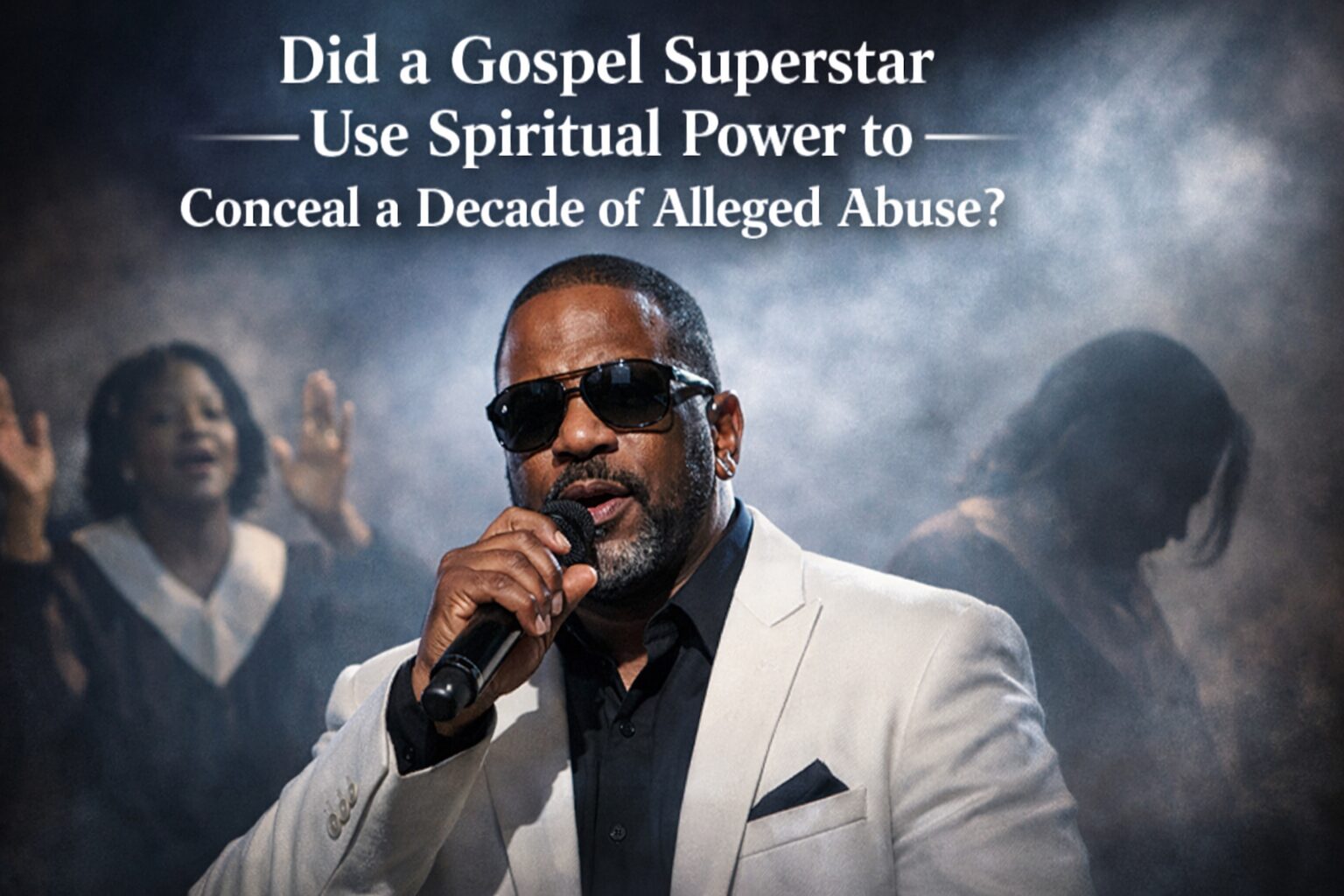
What happens when the hand that is meant to guide you becomes the one that harms you? A new and explosive lawsuit forces that very question into the spotlight, targeting one of gospel music’s most revered figures.
Donnie McClurkin, whose anthems have defined a genre and whose testimony of personal deliverance has inspired thousands, now stands accused in a civil complaint of using his spiritual authority to facilitate nearly a decade of sexual abuse. But at the heart of this case lies a more disturbing question: Is this a story about a hidden predator, or are we witnessing a complex relationship grossly mischaracterized?
The accuser, Giuseppe Corletto, paints a picture of profound manipulation. He arrived at McClurkin’s church in 2003 as a 21-year-old grappling with his sexuality, seeking counsel from a pastor famous for his own public narrative of being “delivered from homosexuality.” According to the lawsuit, that spiritual mentorship allegedly morphed into a nightmare of coercion and assault, beginning in 2007 and lasting until 2015. Corletto claims that when he tried to escape his role as McClurkin’s assistant, the pastor warned that his very spiritual “purpose” was tied to their connection.
The most startling element is an unverified, purported email from McClurkin himself, included in the court filing. In it, the writer confesses to being a “desperate dirty ‘old man’” who “forced myself on you.” So, we must ask: If authentic, does this email represent a rare moment of self-condemning clarity, or is it something else entirely?
McClurkin’s legal team offers a starkly different narrative, one that challenges the entire foundation of the lawsuit. His attorney, Greg Lisi, declares the claims “categorically false,” asserting that the interactions over more than a decade have been “grossly mischaracterized.” They promise a defense built on “the real facts.”
This leaves the public, and the faithful, in a difficult position. We are presented with two irreconcilable realities. On one side, a detailed account of abuse leveraged by spiritual power. On the other, a flat denial and a promise to disprove the allegations.
The essential questions this lawsuit raises extend far beyond the courtroom:
- Can the machinery of fame and spiritual authority inherently silence victims, allowing alleged patterns of abuse to persist for years?
- How do we reconcile towering public faith with devastating private allegations?
- Where is the line between pastoral intimacy and exploitative predation, and who gets to define it?
For now, there are no clear answers, only claims and counterclaims. But the lawsuit ensures one thing: the gospel community and the wider world will be watching closely, waiting to see which version of this story—the secret horror or the tragic mischaracterization—will be borne out by evidence. The final judgment may come from a jury, but the court of public opinion is already in session, grappling with the profound dissonance at the heart of this case.


Leave an answer