
Could the Swipe That Changed Everything Actually Be Harming Our Children?
Question
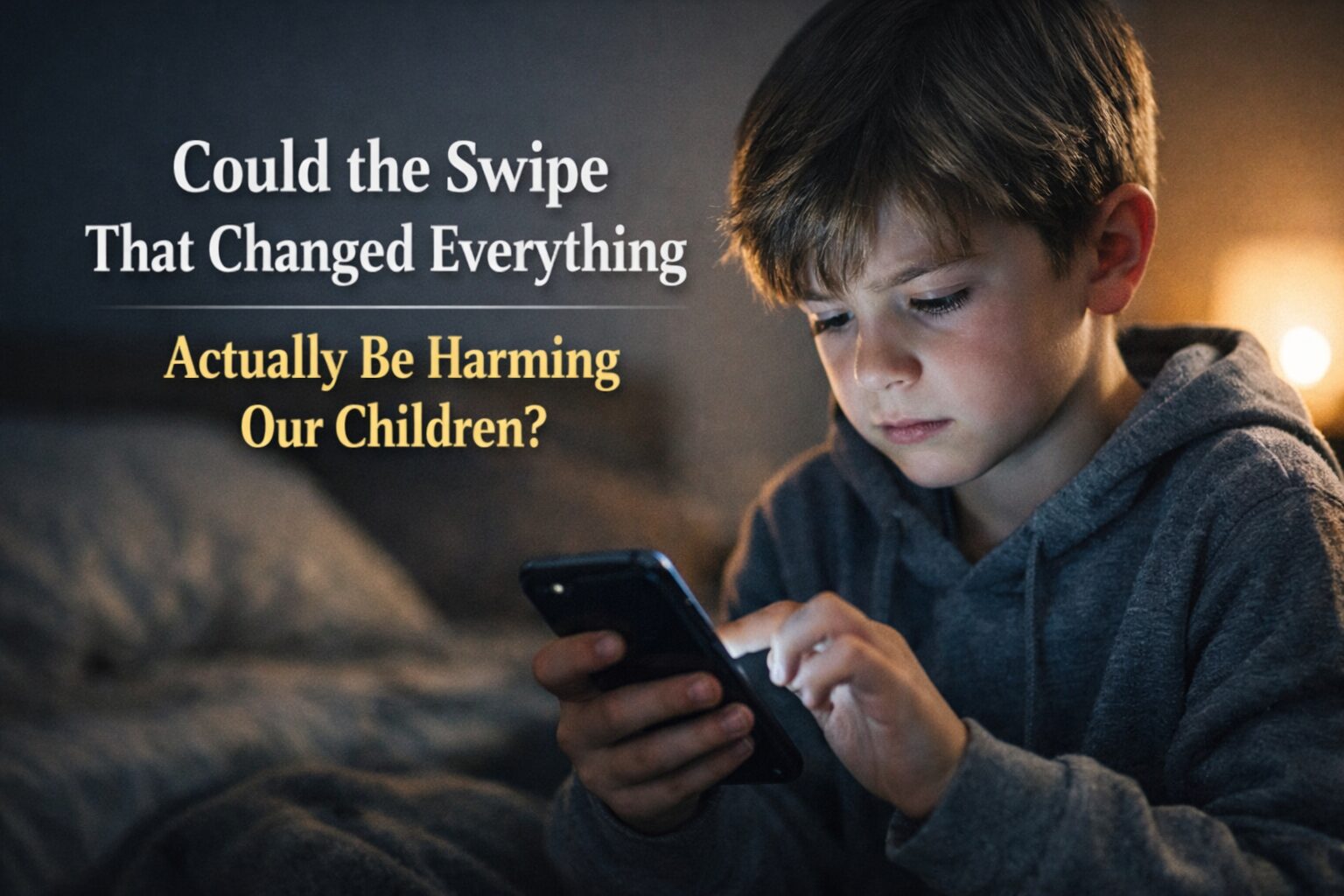
As Instagram’s leader faces unprecedented legal scrutiny, we must ask: Has the pursuit of our attention created a public health crisis we can no longer ignore?
What if the most addictive product of our generation wasn’t a substance, but a scroll?
This Wednesday, a simple question will echo through a Los Angeles courtroom—one that could reshape how an entire industry operates: Did Instagram intentionally design its platform to hook children?
Adam Mosseri, the head of one of the world’s most influential social networks, will step onto the witness stand for the first time to defend the very features that made his app a cultural phenomenon. And he won’t be alone in facing this reckoning. Meta CEO Mark Zuckerberg is expected to testify in the coming weeks, marking a watershed moment where the architects of our digital reality must answer for its consequences.
But what makes this case different from the countless hearings and apologies that came before?
When Does Engagement Become Entrapment?
Consider the experience of a 20-year-old California woman who claims her childhood was effectively colonized by a single design choice: the infinite scroll. Could a feature so ubiquitous, so seamlessly integrated into our daily lives, actually function as a psychological trap?
According to her deposition, Instagram’s endless content stream didn’t just capture her attention—it held it hostage, feeding cycles of anxiety and comparison that she couldn’t escape. The American Academy of Pediatrics recently weighed in with troubling findings, suggesting in January that this very feature “may make it harder for kids to disengage from digital devices.”
But here’s where the questions become uncomfortable: Was this vulnerability engineered, or merely exploited?
What Did They Know?
The plaintiff’s attorneys claim to possess something more dangerous than criticism—evidence. They allege internal Meta documents reveal a company aware that its most vulnerable users were also its most profitable. Could it be true that teens facing mental health challenges were specifically identified as the most likely to become addicted? And if parents were given “no meaningful control,” as the filings suggest, who was actually steering the ship?
Meta’s defense hinges on a familiar narrative: We were trying to fix problems, not create them. Their lawyers argue these internal discussions represent diagnostic diligence, not predatory intent.
“We strongly disagree with these allegations and are confident the evidence will show our longstanding commitment to supporting young people,” a Meta spokesperson stated.
But can we reconcile this commitment with business models that reward infinite engagement? When “time spent” determines advertising revenue, what incentive exists to let users—especially young ones—simply log off?
Is This Just the Beginning?
While Mosseri prepares for questioning in Los Angeles, the world is watching with increasing urgency. Australia recently became the first nation to ban social media for children under 16—a radical intervention that raises its own set of questions. How do we protect developing minds without isolating them from the digital world their peers inhabit? Can legislation keep pace with technology that evolves faster than policy?
Spain, Greece, Britain, and France are now grappling with these same dilemmas. The global consensus seems to be forming: The current system is broken. But what replaces it remains fiercely contested.
Are We Asking the Right Questions?
Perhaps the most profound question this trial raises isn’t about legal liability, but about design ethics itself. When every color, animation, and algorithmic choice is optimized for retention, have we crossed an invisible line between user experience and user exploitation?
Could it be that we’ve normalized psychological manipulation when it’s delivered through sleek interfaces and called “engagement”? And if platforms employ behavioral psychologists to maximize addiction-like behaviors, can they claim surprise when addiction occurs?
The 20-year-old at the center of this case represents hundreds of others who have filed similar lawsuits. But she also represents millions more who will never see a courtroom—children currently scrolling through feeds designed to never end, their attention harvested for profit while their mental health pays the price.
What Happens If We Look Away?
Wednesday’s testimony marks more than a legal proceeding; it represents a societal inflection point. For years, we’ve accepted the trade-off: our attention for their services, our data for their growth. But what if that bargain was never fully disclosed to the most vulnerable among us?
Could this trial force fundamental changes—mandatory breaks in endless feeds, real age verification, algorithmic transparency, or even liability for mental health impacts? Or will it validate a status quo where the scroll continues uninterrupted, the notifications keep pinging, and the next generation pays the price for our distraction?
One thing seems certain: The algorithm can no longer hide behind terms of service agreements. The questions are being asked in open court, under oath, with consequences.
Will we like the answers?
The trial continues. The questions multiply. What will we do with the truth when it finally loads?


Leave an answer