
Blockbuster Blizzard’ Locks Down the Northeast: Travel Bans, Flight Chaos, and the Real Risk After the Snow
Question
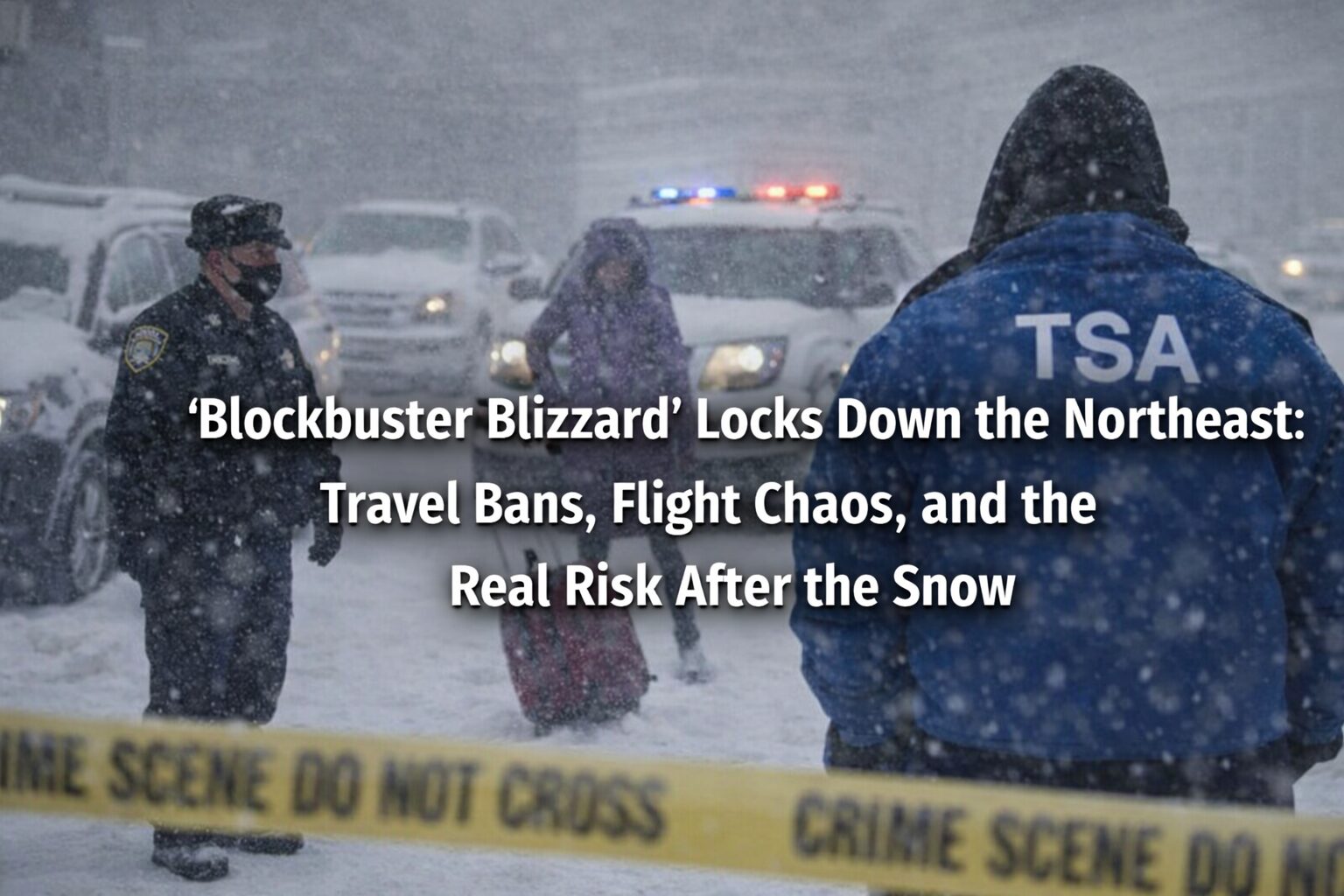
The weekend storm that slammed the Northeast wasn’t just another winter inconvenience. It was the kind of system that changes behavior—empty highways, canceled flights, closed transit, and a region forced to pause. Forecasters warned of heavy snow and damaging winds, with blizzard conditions stretching across densely populated corridors. Officials responded with travel bans and emergency declarations, while airlines pulled the plug on thousands of flights.
The headline numbers grab attention: snow totals measured in feet, winds strong enough to snap branches and knock out power, and whiteout conditions that turn routine driving into a gamble. But the deeper story is what happens after the first wave of snow: the dangerous cleanup, the medical risks, and the knock‑on effects that ripple through supply chains and daily life.
When a storm becomes this big, local governments move into a different operational mode. Plows run in continuous shifts. Road travel bans try to prevent stranded vehicles from becoming obstacles that trap emergency responders. Transit systems slow or suspend service. And airports become a bottleneck of cancellations, delays, and passenger frustration that can take days to unwind.
The physical danger isn’t limited to the highways. Heavy, wet snow is brutal on the body. Emergency rooms often see a spike in injuries and heart‑related events when residents shovel aggressively. That’s why public officials emphasize pacing, hydration, and avoiding overexertion—especially for older adults or anyone with cardiac risk factors.
Power outages are another hidden threat. In a cold snap, electricity isn’t just convenience; it’s heat. If lines come down, restoration may be delayed by wind conditions that prevent crews from safely working. That’s why officials open warming centers and push safety reminders about generators, carbon monoxide risks, and fire hazards.
Then there’s the economic layer: missed shifts, delayed deliveries, closed businesses, and schools forced to cancel. A storm is a weather event, but it’s also an economic shock—even if brief. Employers can’t operate normally. Small businesses lose revenue. Families scramble to adjust childcare and work responsibilities.
What made this storm especially disruptive was its footprint: a large population base under warnings and travel restrictions, paired with a timing window that clipped weekend travel plans and spilled into the start of the workweek. The result was a sense of regional standstill—an enforced pause where the safest choice was to stay home and wait for the storm to break.
When the snow finally tapers, the story doesn’t end. That’s when the region enters the second phase: recovery. Streets must be cleared. Sidewalks shoveled. Flights rescheduled. People check on neighbors. And officials review what worked and what didn’t—because every major storm becomes a rehearsal for the next one.
The weekend’s blizzard wasn’t just dramatic weather. It was a reminder: in a dense, interconnected region, nature doesn’t need to be catastrophic to be disruptive. A few hours of fierce wind and heavy snow can rearrange daily life for millions—and reveal exactly how prepared a system really is.


Leave an answer