
A $10 Billion Lawsuit and One Edit: The BBC–Trump Defamation Fight
Question
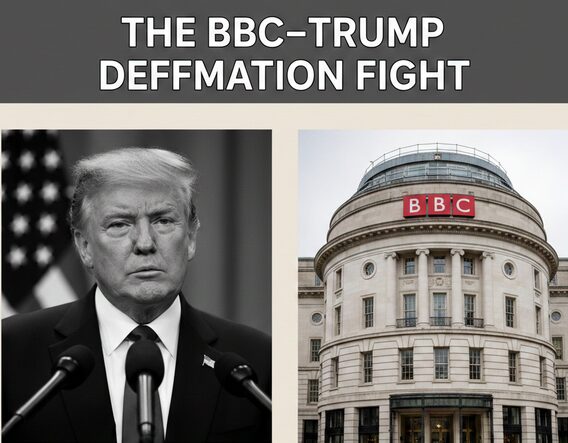
When a documentary cut becomes a legal battleground—what this case says about media trust, jurisdiction, and the price of narrative control.
In the age of short clips and viral edits, one cut can carry enormous weight. Now that reality is headed for court in a high-stakes defamation lawsuit: former U.S. President Donald Trump is suing the BBC for $10 billion over a documentary edit he says misrepresented his role in the events surrounding January 6, 2021.
The BBC’s response is essentially: the lawsuit shouldn’t survive. The network says Trump hasn’t met the legal threshold to show defamation and argues the Florida court lacks proper jurisdiction. That procedural battle matters because it can decide the case before anyone debates the documentary’s meaning in front of a jury.
At the center is a familiar modern dispute: context. Defamation cases aren’t only about whether a statement is ‘bad.’ They’re about whether a reasonable viewer would take away a false factual implication that harms reputation. Editing can change implication without changing words. That’s why this case is so revealing: it forces a court to grapple with how meaning is manufactured in contemporary documentary storytelling.
Trump is also seeking damages under Florida’s unfair trade law, adding a consumer-protection angle to what is traditionally a reputational claim. That suggests a strategy to widen the legal hooks available—even if the core story remains about the documentary edit.
The BBC has reportedly apologized for the editing but disputes that it amounts to actionable defamation. Apologies can be double-edged: they can reduce public tension, but they can also be framed as admissions. Courts, however, often focus on strict legal standards rather than the emotional temperature of the public conversation.
Beyond the case itself is the larger effect on media. If plaintiffs can successfully treat certain documentary edits as defamation at scale, it could chill editorial choices—especially around political figures where every cut is contested. On the other hand, if networks face no meaningful consequences for misleading edits, public trust erodes further. Either outcome has costs; the question is where the law draws the line.
The case is scheduled for trial in 2027, which means the real-world impact may arrive long before a verdict. In the meantime, it will be used as a talking point about bias, media ethics, and the power of framing. A documentary edit is no longer just a production decision—it’s a potential billion-dollar claim about who controls the story.


Leave an answer